Gardening Has Always Adapted
Learning to Observe
The greatest lessons gardening has taught me is that the garden usually tells us what it needs.
The challenge is learning to notice.
When we first take on a garden, our instinct is often to start changing it. We begin imagining new borders, different planting schemes or perhaps a tree that would look perfect in the corner of the lawn. There is nothing wrong with planning ahead, but I have found that the best decisions are rarely the quickest ones. More often than not, they come after spending time simply watching the garden through the seasons.
Every garden has its own character, and it reveals that character gradually. The morning sun reaches one border long before another. A patch of grass dries quickly after rain, while another remains damp for days. Frost lingers in one corner yet never seems to settle beneath the shelter of a mature hedge. Birds favour certain shrubs, bees return to particular flowers, and the wind always seems to find the same gap between two fences. None of these things is obvious on the day you move in, but they become clear to anyone prepared to spend time observing.
I sometimes think we have become so accustomed to looking for answers that we forget to ask questions. We search for the best plants for shade before asking where the shade actually falls. We look for drought-tolerant plants before understanding how quickly our own soil dries out. We blame the plant when perhaps it is simply growing in the wrong place. Gardening has a wonderful way of reminding us that success often begins with curiosity rather than certainty.
Over the years I have visited many gardens where the owners felt frustrated because something refused to thrive. They had fed it, watered it and cared for it, yet it still struggled. More often than not, the answer wasn't another fertiliser or a more expensive compost. It was understanding the conditions. Sometimes the plant wanted more light. Sometimes it needed shelter from the wind. Sometimes the soil held too much water through winter or became too dry in summer. The plant wasn't failing; it was simply telling us that it belonged somewhere else.
Nature is remarkably honest in that respect. Plants don't pretend to be happy. If we learn to read them, they become some of our greatest teachers. Leaves can tell us about moisture, colour can reveal nutrient deficiencies, flowering times hint at changing seasons, and the wildlife that chooses to visit often tells us just as much about the health of a garden as the plants themselves.
This habit of observation has changed the way I garden. I no longer see a problem and immediately search for a solution. Instead, I try to understand why it has happened in the first place. The answer is not always obvious, and occasionally there isn't a perfect answer at all. Yet the process of observing almost always leads to better decisions than rushing into action.
Perhaps that is the greatest skill any gardener can develop. Not pruning. Not planting. Not even knowing the names of hundreds of plants.
Simply learning to see what the garden has been quietly telling us all along.
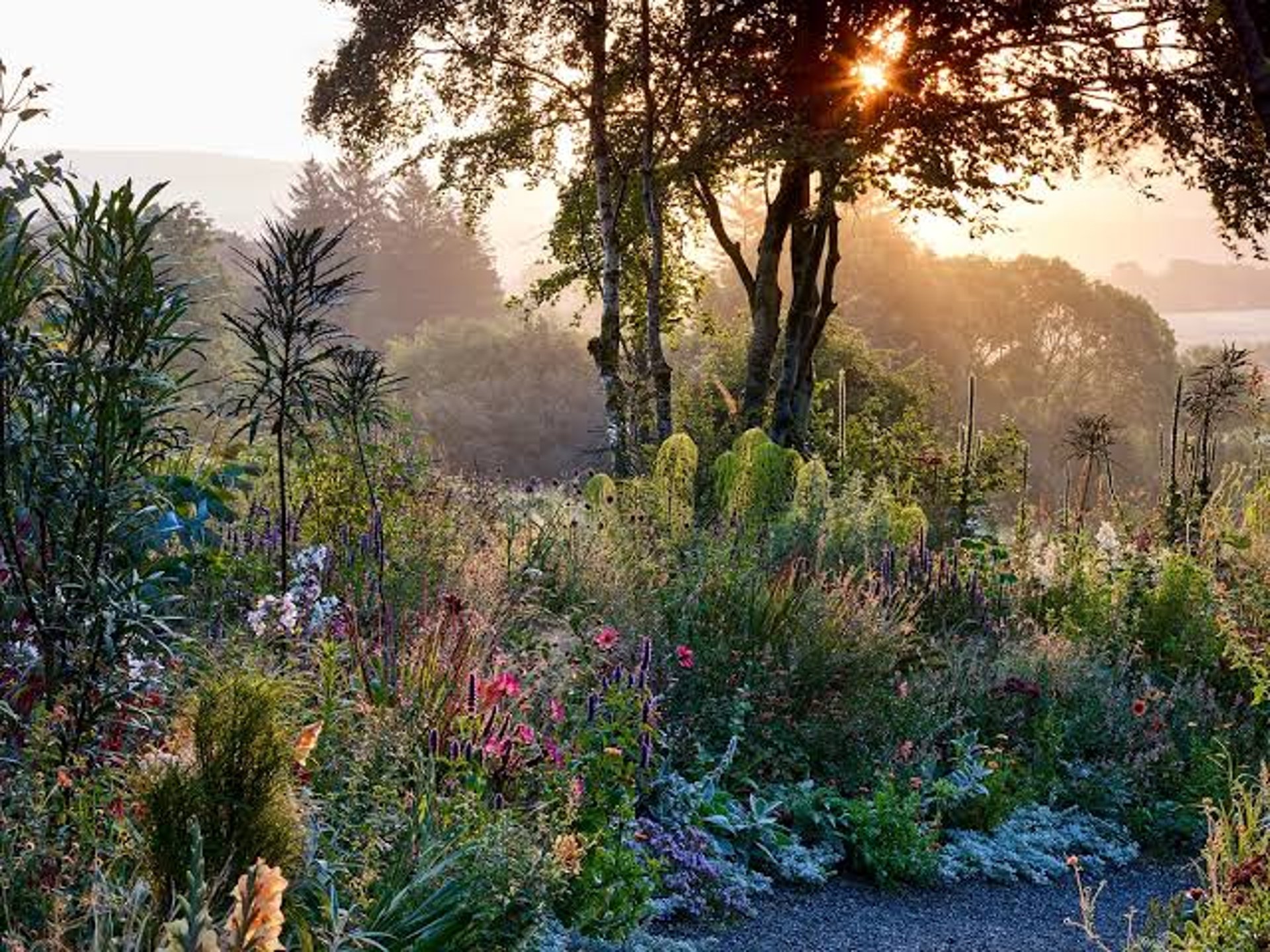
The greatest tool a gardener owns is not a spade, but the ability to observe.
Understanding the Place You Garden
Every garden tells its own story, but it doesn't tell it all at once.
It reveals itself slowly, often over the course of an entire year. A border that basks in warm sunshine during June may spend most of the winter in deep shade. The lawn that looks lush through spring may become dry and tired by August. A corner that appears lifeless in February suddenly bursts into colour as bulbs emerge, while another that seemed perfect in summer becomes waterlogged after a week of winter rain.
That is why there is no such thing as an "average" garden.
Even neighbouring gardens can behave completely differently. One may have heavy clay that holds onto every drop of water, while the other drains freely through sandy soil. A mature oak may cast welcome shade over one property for most of the afternoon, while next door, the sun beats down uninterrupted from morning until evening. The aspect changes, the wind changes, the soil changes, and, with them, the opportunities change as well.
I have often smiled when people ask me for the perfect plant for their garden. It sounds like such a simple question, but the honest answer is always another question.
"Tell me about your garden."
What is the soil like?
Where does the sun fall?
How exposed is it?
Does the ground remain wet through winter?
Is it somewhere you sit every evening, or somewhere you only pass through on the way to the shed?
Those answers matter far more than the plant catalogue ever will.
This is where I think many gardening frustrations begin. We see a beautiful planting scheme in a magazine or on television and naturally want to recreate it at home. Yet those gardens have different conditions, climates, and challenges. What flourishes there may struggle here, not because we have failed as gardeners, but because every place asks for something slightly different.
Rather than trying to make every garden conform to the same ideal, perhaps we should celebrate those differences. Clay soils, for example, can be difficult to work with, yet they also retain moisture during long dry spells. A shady garden may never support a prairie border, but it can become a wonderfully cool and peaceful retreat during the height of summer. Even a windy site, often seen as a disadvantage, creates opportunities for movement, texture and plants that enjoy those conditions.
The more I garden, the less interested I become in finding universal answers. Instead, I find myself trying to understand the unique character of each place. Every successful garden I have worked in has started with exactly the same process—not choosing plants, but understanding the land beneath my feet and the conditions around me.
Perhaps that is one of the most valuable lessons a garden can teach us.
The aim isn't to create the same garden everyone else has.
The aim is to create the very best version of the garden that only your place can become.
Some gardens invite you to slow down the moment you step through the gate. Others encourage conversation, play or quiet reflection. Some are full of laughter as children search for ladybirds amongst the flowers or balance along the edge of a raised bed. Others become peaceful places where someone can sit alone after a difficult day, listening to birdsong and watching the changing light through the branches of a tree. These experiences are rarely accidental. They are created by thoughtful design, careful planting and an understanding that gardens are ultimately places for people.
It is perhaps easy to forget that throughout history, gardens have always been refuges. They have provided food during difficult times, places of rest after long days of work and somewhere to gather with family and friends. Today, although our lives have changed, our need for those spaces has not disappeared. If anything, it has become even greater. We spend more hours indoors than ever before, surrounded by screens, traffic and constant demands for our attention. A garden offers something increasingly rare: an opportunity simply to be present.
That is why I believe beauty plays an important role. Beauty is sometimes dismissed as a luxury, as though it were less important than wildlife or sustainability. I see it rather differently. Beauty draws us outside. It encourages us to linger a little longer beneath a tree, to notice the scent of a rose, the movement of ornamental grasses or the first butterfly of summer drifting across a border. If people fall in love with their gardens, they are far more likely to care for them, invest in them and protect the wildlife that shares them.
The same principle applies to comfort. As our summers become warmer, the value of a cool, shaded corner becomes greater than ever. A mature tree, once planted simply because it looked attractive, now provides relief from intense sunshine. A pond offers more than a home for frogs and dragonflies; it cools the surrounding air, reflects the changing sky and brings the gentle sound of moving water into the garden. Comfortable gardens are gardens that people choose to use, and the more time we spend outdoors, the stronger our connection with the natural world becomes.
Gardens should also welcome us throughout every stage of life. A young child experiences a garden very differently from an older gardener, yet both deserve spaces that inspire curiosity and enjoyment. For a child, a garden is somewhere to discover worms beneath a stone, watch bees visiting lavender or marvel at a snail carrying its home upon its back. For someone in later life, it may become a place of quiet routine, gentle exercise and familiar comfort. Good gardens recognise those changing needs without ever losing their sense of wonder.
Perhaps that is one of the greatest lessons gardening has taught me. Plants matter enormously, but they are never the whole story. They shape our experiences, influence our wellbeing and connect us with the world beyond our own front door. A truly successful garden doesn't simply grow beautiful plants; it enriches the lives of the people who spend time within it. Long after the names of individual plants have been forgotten, it is that feeling people remember, and perhaps that is the greatest gift any garden can offer.
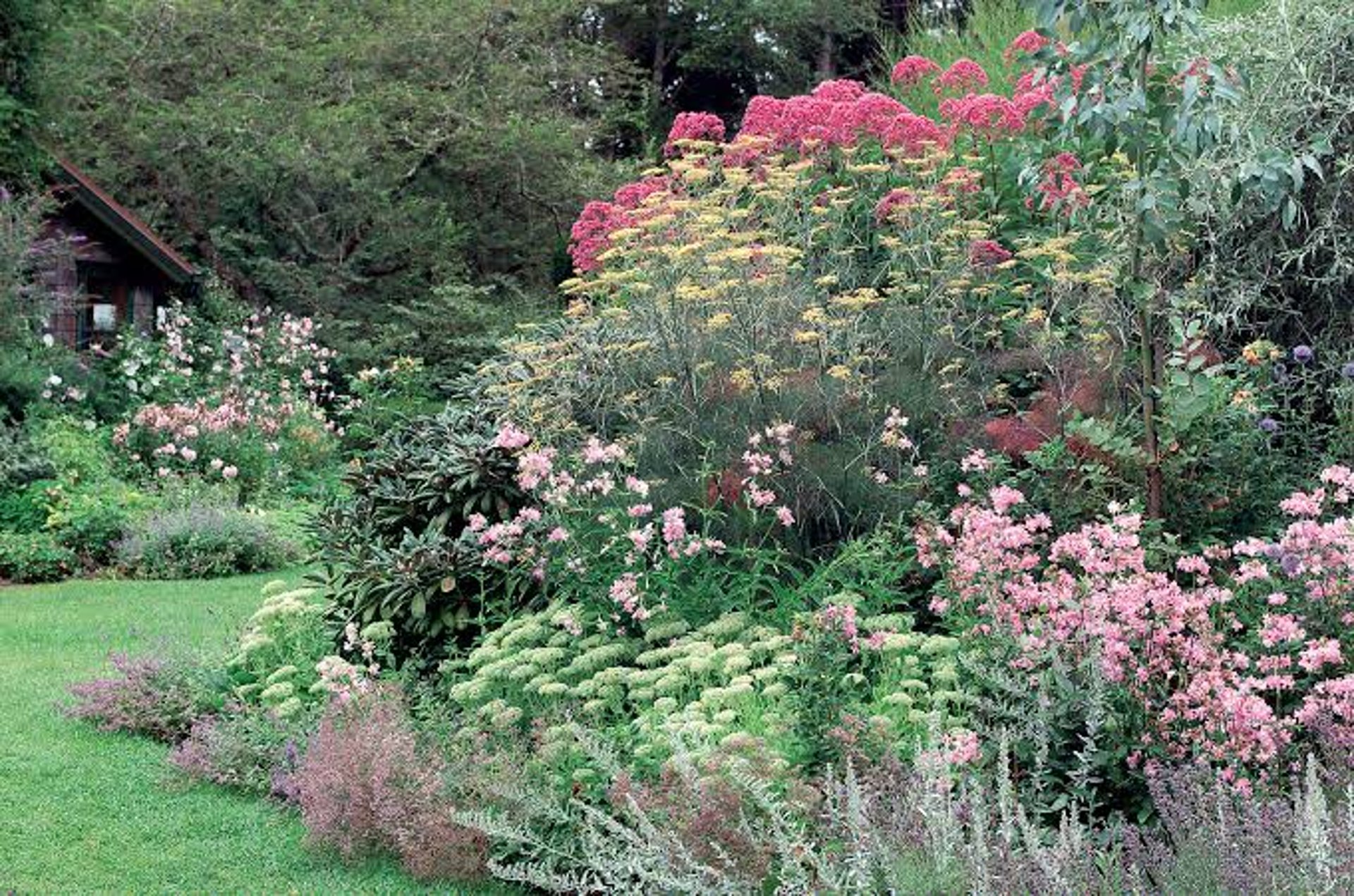
Every garden has its own story. The best gardeners learn to read it.
Working With Nature, Not Against It
There is a temptation in gardening to believe that every problem has a product, every challenge has a quick solution, and every garden can become whatever we want it to be. It is an understandable way of thinking. We see beautiful photographs, visit inspiring gardens and naturally begin imagining how those ideas might look in our own space.
Sometimes they work.
Sometimes they don't.
Over the years, I have come to realise that the difference is often not the gardener's skill but the gardener's willingness to work with the conditions they have rather than constantly fighting against them.
I have spent much of my career gardening on heavy Gloucestershire clay. It is a soil that many people complain about, and I understand why. It can be sticky through winter, slow to warm in spring and hard enough in summer to feel almost impossible to dig. Yet the same soil that causes frustration in January can become a tremendous advantage during a dry July, holding onto precious moisture long after lighter soils have dried out.
The soil hasn't changed.
Only the way we choose to look at it.
The same is true of almost every aspect of a garden. Shade is often treated as a problem until we experience a succession of increasingly warm summers and begin to appreciate the comfort that mature trees provide. Wind can seem like an obstacle until we understand which plants thrive in exposed conditions. Even a naturally damp area, which many people are tempted to drain away, can become the perfect home for plants that would struggle elsewhere.
Every condition presents both challenges and opportunities.
The mistake is not having difficult conditions.
The mistake is believing they should not exist.
That is perhaps one of the biggest shifts in my own thinking. I no longer see clay as something to overcome, nor shade as something to eliminate or wind as something to block at every opportunity. Instead, I ask a different question.
What is this part of the garden trying to tell me?
Very often, the answer is surprisingly simple.
It is telling me which plants will be happiest there.
It is telling me where people will naturally seek shelter on a hot afternoon.
It tells me where rainwater tends to collect or where the soil dries first after a spell of warm weather.
The garden is constantly offering clues, provided we are willing to notice them.
Of course, that doesn't mean we never make changes. Improving soil with compost, planting trees for future shade, harvesting rainwater, or creating shelter where it is needed are all thoughtful ways to help a garden become more resilient. The important difference is that these changes work alongside the garden's natural character rather than trying to erase it.
I sometimes think we use the phrase "right plant, right place" too casually. It is one of the oldest pieces of gardening advice, yet it remains one of the wisest. The more closely our planting reflects the existing conditions, the less effort is needed to keep it healthy. Plants become stronger, wildlife benefits, resources are used more wisely, and the garden begins to feel settled, as though everything belongs exactly where it has been planted.
Perhaps that is one of the quiet pleasures of experience. With time, we stop trying to force nature to follow our plans and instead allow our plans to be shaped by nature. It is a gentler way of gardening, but I have found it to be far more successful.
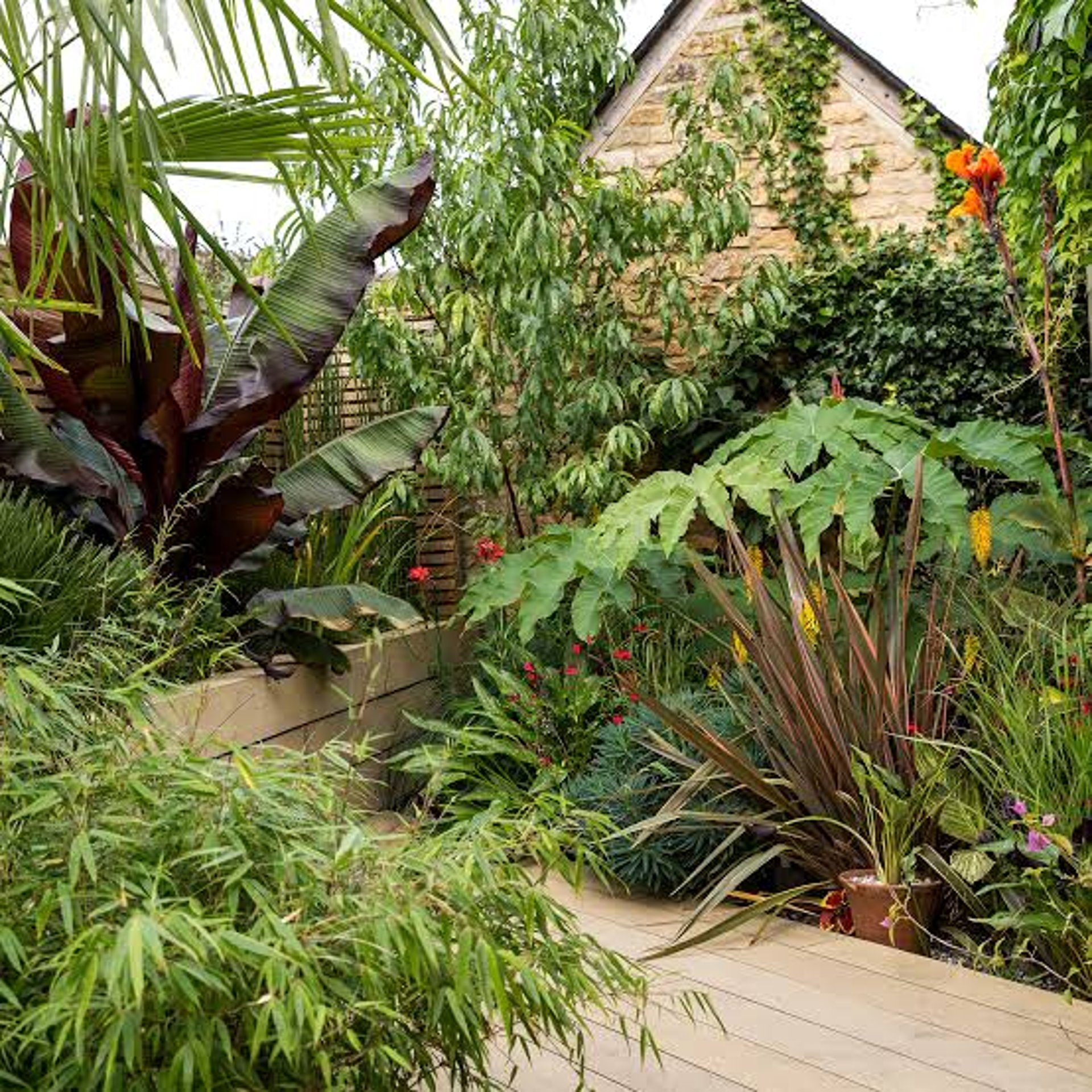
The garden becomes easier when we stop asking it to be something it isn't.
Gardens Are Never Finished
One of the questions I am asked most often is, "How long will it take before my garden is finished?"
It always makes me smile.
Not because it is the wrong question, but because I have never worked in a garden that was truly finished.
The best gardens are always changing. Trees continue to grow, shrubs become larger than we imagined, self-seeded plants appear where we least expect them, and borders evolve as one season follows another. Even when we think a garden has reached its peak, nature quietly begins writing the next chapter.
I used to see this as a challenge. Every new job seemed to create another task to do. A shrub required pruning, a border needed dividing, or a path had become narrower as plants stretched into the space around it. There was always something else waiting for attention.
Now I see it rather differently.
That constant change is not a sign that the garden is unfinished.
It is a sign that the garden is alive.
Living things are never static. A woodland is different every year. Hedgerows gradually mature. Meadows shift as species establish themselves and compete with one another. Rivers alter their course, trees lose branches during storms, and new seedlings emerge wherever conditions allow. Why should our gardens behave any differently?
Perhaps one of the greatest skills we develop as gardeners is becoming comfortable with that constant evolution. Rather than trying to freeze a garden at its perfect moment, we begin to enjoy watching it change. We accept that some plants will outgrow their space, that others may quietly disappear and that every few years an established border will ask us to rethink it.
This way of thinking removes an enormous amount of pressure. Instead of chasing perfection, we begin aiming for progress. Every improvement becomes another step rather than the final destination. A newly planted tree is not the finished feature; it is the beginning of a relationship that may continue for generations. A hedge clipped neatly this summer will need attention again next year, and the year after that. Compost added to the soil today is simply another contribution to a process that never truly ends.
Perhaps that is why gardening remains so endlessly fascinating. However much experience we gain, there is always another lesson waiting, another season approaching and another opportunity to improve what came before. The garden continues to grow, and if we allow it, so do we.
When we stop asking, "When will my garden be finished?" and start asking, "What does my garden need next?" something changes.
Gardening becomes less about reaching a destination and more about enjoying the journey.
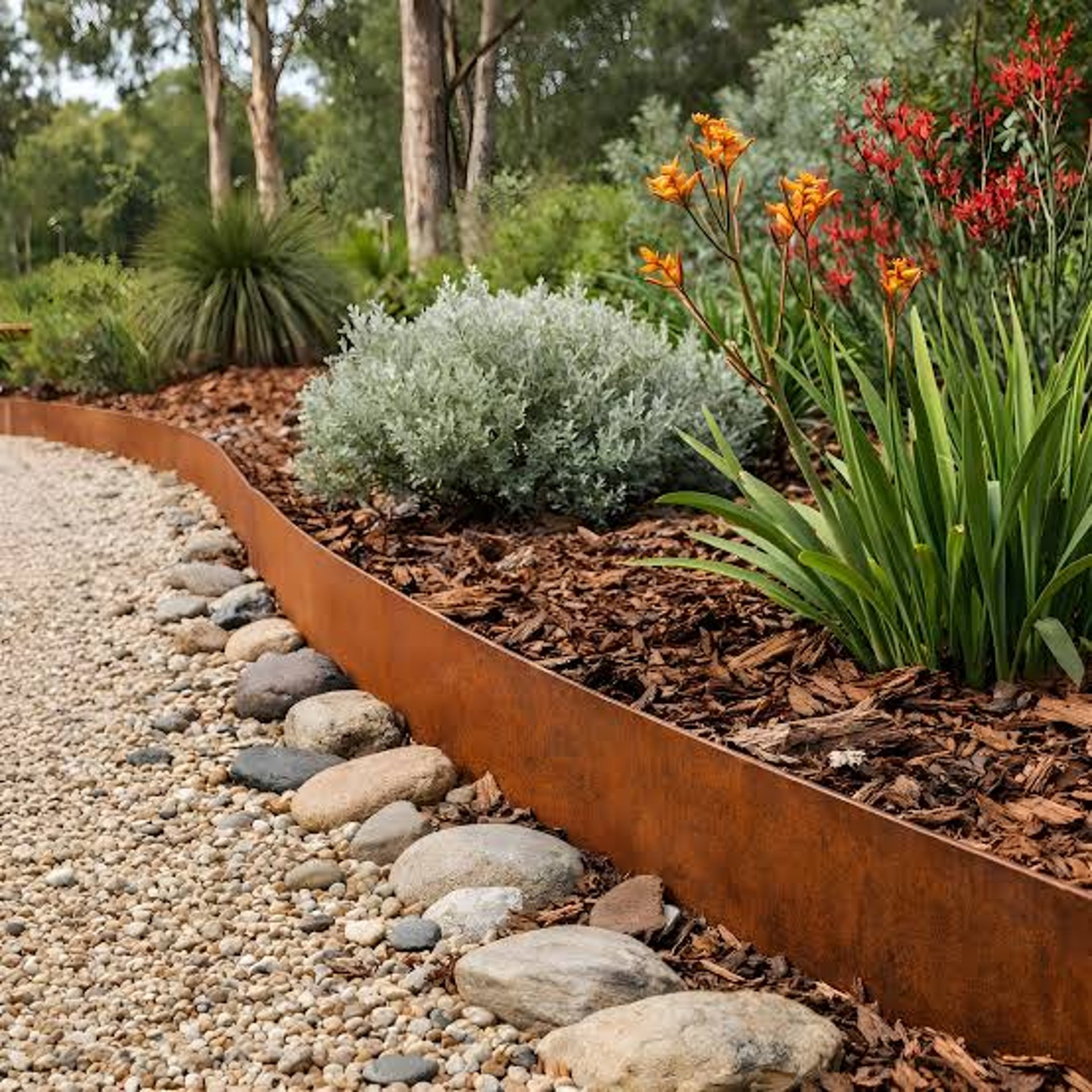
A garden is never finished, because life itself is never finished.
The Garden Is Always Teaching Us
When I look back over the years I have spent gardening, I sometimes wonder whether I have shaped the gardens more than they have shaped me.
I'm no longer convinced.
Every garden I have worked in has taught me something. Some lessons have been practical. Others have been far less obvious. There have been gardens that have taught me patience because nothing seemed to happen as quickly as I hoped. Others have taught me humility, reminding me that no amount of experience can prevent an unexpected frost, a summer drought or a plant deciding it simply doesn't like the place I have chosen for it.
Perhaps that is one of the reasons I still enjoy gardening as much today as I did when I first picked up a spade.
There is always something new to discover.
No gardener ever reaches the point where they know everything. New plants arrive, new pests appear, growing conditions change, and every season writes a slightly different story. The longer I garden, the less interested I become in having all the answers. Instead, I find myself enjoying the questions. Why has this border flourished this year? Why has that shrub struggled? Why are there more butterflies here than there were last summer? Curiosity has become one of the greatest tools I carry into the garden.
I think modern life sometimes encourages us to believe that knowledge is something we acquire once and then possess forever. Gardening has never worked like that. The garden expects us to keep learning. It asks us to notice the small changes that happen from one year to the next and to respond with thought rather than routine. It reminds us that experience is valuable, but only if we remain willing to question what we think we already know.
That, perhaps, is why gardening has remained relevant for thousands of years. It is built upon observation, adaptation and a quiet respect for the natural world. Those qualities have never gone out of fashion. If anything, they have become even more important as the challenges and opportunities facing our gardens continue to evolve.
When I think about Gardening for Tomorrow, I don't imagine a gardener with all the latest gadgets or someone who knows the name of every plant in the catalogue. I picture someone walking slowly through their garden. Someone who notices the first bee of spring, the dry patch that appeared after a week without rain or the young tree beginning to cast a little more shade than it did the year before. I picture someone who understands that every season is another opportunity to learn a little more about the place they care for.
Perhaps that is the greatest lesson of all.
Good gardeners are not the people who know the most.
They are the people who never stop learning.
If we can remain curious, patient, and willing to listen, the garden will continue to teach us for the rest of our lives. And perhaps that is its greatest gift. Long after we think we have mastered gardening, the garden quietly reminds us that there is always another lesson waiting just around the corner.
Marcus