Gardening for Tomorrow
Gardening is changing. So should the way we think about it.
A collection of ideas exploring how we can create gardens that are more resilient, richer in wildlife and better prepared for the future—without losing the joy that made us fall in love with gardening in the first place.
Why I Started Thinking Differently
For most of my career, I don't think I ever questioned why I gardened in the way I did.
Like many professional gardeners, my focus was on creating beautiful gardens and looking after them to the very best of my ability. I wanted healthy lawns, colourful borders, well-pruned shrubs and customers who were delighted when they looked out of their windows. There is enormous satisfaction in leaving a garden looking cared for, and after all these years I still enjoy that feeling as much as I ever have.
But somewhere along the way, my thinking began to change.
It wasn't because of one book, one television programme or one conversation. It certainly wasn't because somebody told me I should garden differently. Looking back, I think it happened gradually, almost without me noticing. Every garden I worked in, every season I experienced and every conversation I had with other gardeners quietly added another piece to the puzzle.
I started asking different questions.
Instead of simply wondering how I could make a garden look better this year, I found myself wondering what it might look like in ten years' time. Rather than asking which plant would flower for the longest, I began thinking about which plants would still thrive if our summers became hotter or our winters wetter. When I dug a pond or planted a tree, I realised I wasn't just creating something for today's garden. I was making a decision that would shape that space long after I'd packed my tools away and gone home.
The more I thought about it, the more I realised that gardening has never really been about today.
Every time we improve the soil, we're investing in seasons we haven't yet seen. Every tree we plant is an act of faith that someone, perhaps somebody we've never even met, will one day enjoy the shade it provides. Every wildlife pond, every hedge, every compost heap and every flower planted for pollinators is a quiet decision to leave the garden richer than we found it.
That idea stayed with me.
It also made me realise that gardeners have something rather special. We spend our lives making decisions whose greatest rewards often belong to the future. A builder may finish a wall in a week. A painter may complete a room in a few days. Gardeners work differently. We plant things knowing they'll become more beautiful with time. In many ways, we're always working for tomorrow.
That's when the phrase first came into my mind.
Gardening for Tomorrow.
Not as a campaign.
Not as a business slogan.
Simply as a way of describing how I had slowly come to see gardening.
Because I don't believe gardening is only about growing beautiful flowers or keeping a tidy lawn, important though those things are. I think gardening is one of the few things we do that quietly improves the future. Sometimes that future is only next spring. Sometimes it's twenty years away. Occasionally it stretches beyond our own lifetime.
I find that thought incredibly hopeful.
We live in a world that often feels as though it's moving too quickly. We celebrate instant results and immediate success, yet gardens continue to remind us that the finest things usually happen slowly. A great tree takes decades to mature. Healthy soil develops over years, not weekends. Wildlife returns because of hundreds of small decisions repeated patiently over time.
Perhaps that's why gardening has never felt like just a job to me.
It has always felt like an investment.
Not simply in gardens.
But in whatever comes next.
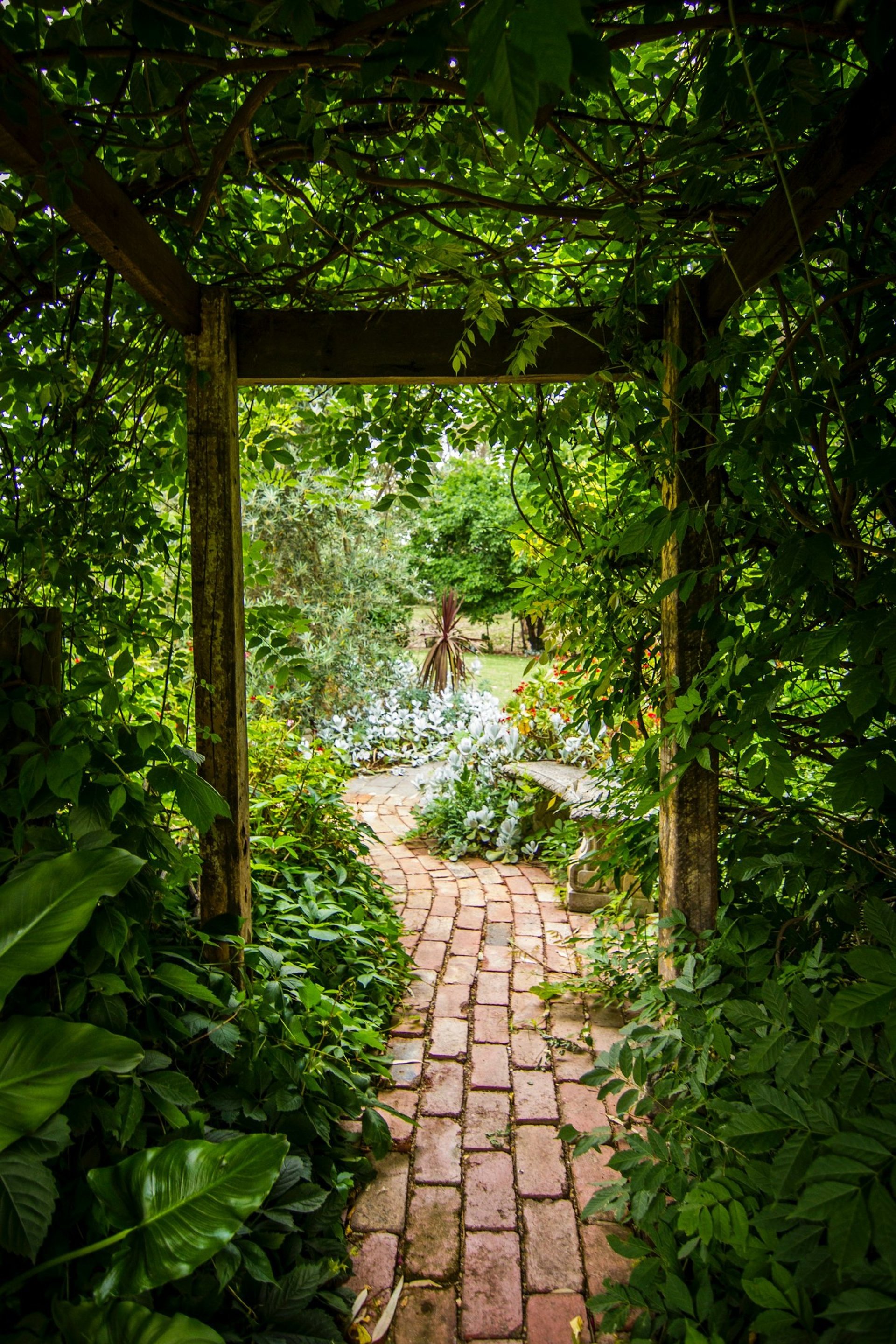
Every garden is a promise to the future."
Marcus Bergin
Gardening Has Always Been About Tomorrow
One of the reasons I like the phrase Gardening for Tomorrow is that, despite sounding like a new idea, I don't think it is.
In fact, I think gardeners have been doing it for centuries.
Long before we spoke about sustainability, biodiversity or climate resilience, gardeners were planting trees whose shade they knew they might never enjoy. They were improving soil that future generations would cultivate, digging ponds that would one day become home to frogs and dragonflies, and tending gardens that would outlive them by many decades.
They may never have used the phrase Gardening for Tomorrow.
But that's exactly what they were doing.
I often think about that when I walk through an old garden.
Every mature tree represents a decision someone made years ago. Someone chose that particular spot, dug the hole and carefully planted a young sapling with no guarantee they would ever see it reach its full size. Today, that same tree offers shade on a hot summer's afternoon, provides food and shelter for wildlife and gives the garden a sense of permanence that simply can't be bought.
None of it happened overnight.
The same is true of so many things we admire in gardens. A beautifully clipped yew hedge, a wisteria climbing gracefully across an old wall or a woodland floor filled with snowdrops are rarely the result of one season's work. They are the product of patience, consistency and countless small decisions made over many years.
That's one of the reasons I think gardening is so different from almost every other pastime.
We don't simply create something and move on.
We begin a conversation that continues long after we've put the tools away.
Every season becomes another chapter. Sometimes we're fortunate enough to enjoy the results ourselves. Sometimes somebody else does. Either way, the work still matters.
Perhaps we've forgotten that a little.
Modern life encourages us to think in weeks, months and, at most, a few years ahead. Gardens encourage a much longer view. They remind us that some of the most worthwhile things in life are built slowly, often so gradually that we hardly notice the change until we stop and look back.
That's certainly been true for me.
Some of the gardens I look after today bear little resemblance to the gardens I first walked into years ago. Shrubs have matured, trees have grown, wildlife has returned and borders have slowly found their rhythm. None of those changes happened because of one dramatic transformation. They happened because hundreds of ordinary gardening decisions quietly accumulated over time.
There's a lesson in that.
We sometimes underestimate the importance of small actions because they don't appear to achieve very much on their own. A wheelbarrow full of compost doesn't transform a garden overnight. Neither does planting one tree or leaving a small patch of long grass for insects. Yet gardening has taught me that meaningful change rarely arrives all at once. It grows, almost invisibly, through countless small acts of care repeated over many seasons.
Perhaps that's why I find gardening such an optimistic pursuit.
Every time we plant something, improve the soil or make room for wildlife, we're placing a small vote of confidence in the future. We're quietly saying that tomorrow matters enough to spend time working towards it today.
When I think about Gardening for Tomorrow, that's what I come back to.
Not a new way of gardening.
Simply remembering what gardening has always been.
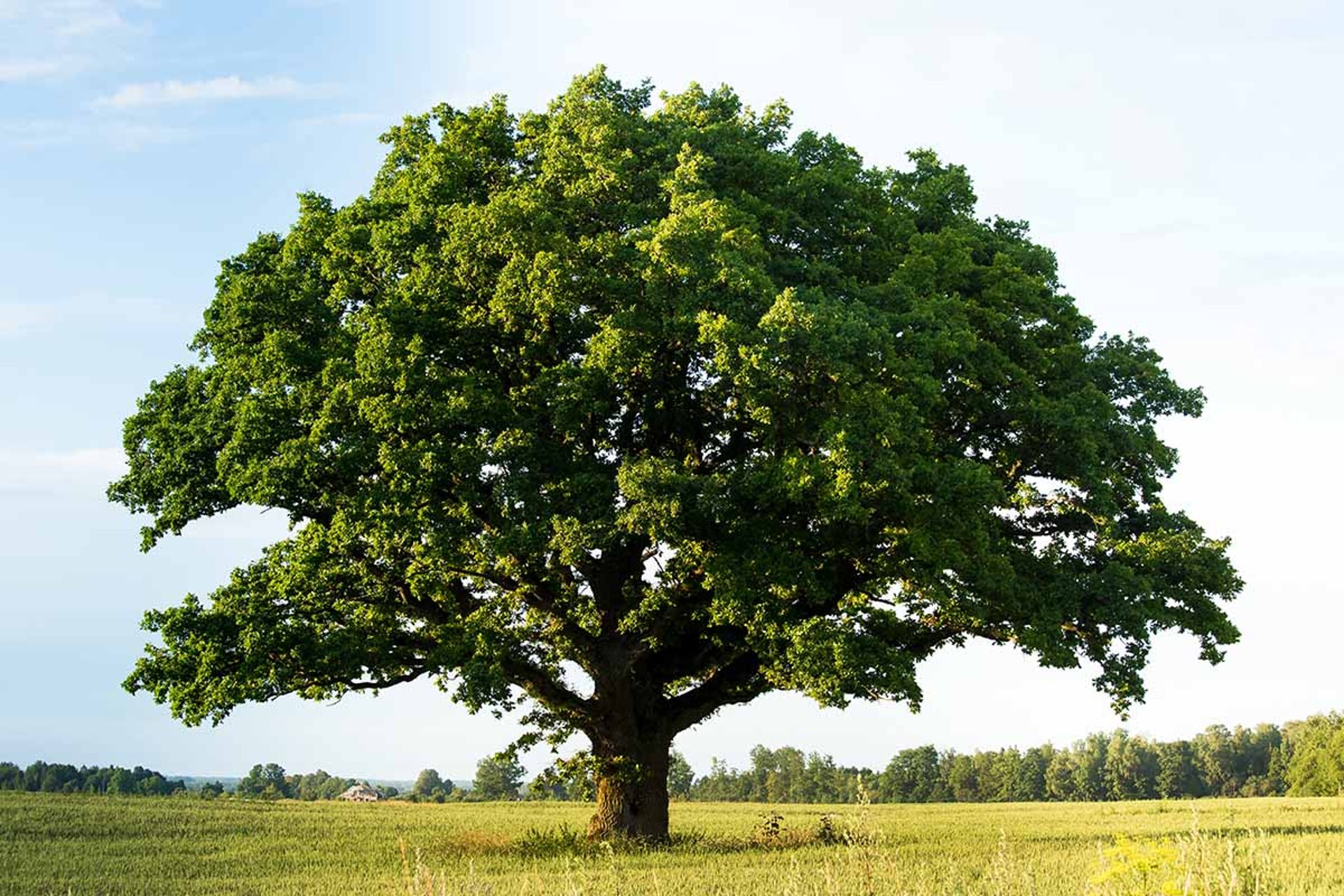
A quiet promise to the future.
Healthy gardens are measured by more than the plants they contain.
A Garden Is More Than the Plants We Choose
The longer I've spent working in gardens, the less I've thought about them as collections of plants.
When I first started gardening, my attention was naturally drawn to the obvious things. I noticed the roses that needed pruning, the lawn that needed mowing and the borders that were crying out for a little attention. Those jobs still matter, of course, and they always will. Looking after a garden well is built on doing the simple things consistently.
But over the years, I began to notice something else.
The healthiest gardens weren't always the ones with the most expensive planting schemes or the perfectly manicured lawns. More often than not, they were the gardens that simply felt alive.
You could hear them before you really looked at them.
There would be birds moving through the hedges, bees working steadily across the flowers and butterflies drifting between one border and the next. A blackbird might disappear beneath a shrub carrying food for its young, while somewhere beneath your feet worms and countless other organisms were quietly doing the work that keeps healthy soil alive.
None of those things appeared on a planting plan.
Yet they were every bit as important as the plants themselves.
That changed the way I started looking at gardens.
Instead of asking, "What can I plant here?", I found myself asking, "What does this garden need?"
Sometimes the answer was another shrub.
Sometimes it was improving the soil.
Sometimes it was creating a little more shade.
Sometimes it was simply leaving a small corner alone.
It sounds like a subtle difference, but it changes everything.
A garden isn't just a space for us.
It's home to thousands of living things, many of which we'll never notice unless we take the time to look. The soil beneath our feet is alive with fungi, bacteria and tiny creatures that quietly recycle nutrients and help plants grow. Birds rely on insects, insects rely on flowers and flowers often rely on insects in return. Remove one part of that chain and the effects ripple much further than we first imagine.
The more I learnt, the more I realised how connected everything is.
Healthy soil produces healthier plants.
Healthier plants support more insects.
More insects support more birds.
Trees create shade, cool the ground and hold moisture in the soil. Ponds provide drinking water, breeding places and shelter for wildlife while also bringing movement and reflection into the garden. Even something as simple as a hedge becomes far more than a boundary when you stop to think about the life it supports throughout the year.
Nothing exists in isolation.
That's why I believe the future of gardening isn't about choosing between beautiful gardens and wildlife-friendly gardens.
The best gardens are both.
Beauty has always mattered to me. I don't believe we should stop growing roses or filling borders with colour because we're thinking about wildlife. In fact, I think the opposite is true. The challenge is to create gardens where beauty and nature work together rather than competing with one another.
I've seen enough gardens over the years to know that's entirely possible.
Some of the most beautiful gardens I've ever walked through have also been the busiest. They hummed with bees on warm afternoons, sheltered birds in winter and offered frogs, dragonflies and hedgehogs a place to thrive. They didn't feel wild in the neglected sense of the word. They felt balanced.
Perhaps that's the word I've been searching for all along.
Balance.
Not every lawn needs to become a wildflower meadow, and not every border needs to be filled entirely with native plants. Gardening has always been wonderfully diverse, and I hope it always will be. But I do think every one of us can pause from time to time and ask a simple question.
"Is my garden supporting life, or simply occupying space?"
I don't ask that question to make anyone feel guilty.
I ask it because I've started asking it of myself.
Every decision I make now, whether I'm planting a tree, creating a border or advising a customer, is shaped by that thought. Not because I think every garden has to be perfect, but because I believe every garden can become just a little richer than it was before.
When enough gardeners begin thinking like that, something remarkable starts to happen.
Individual gardens stop being individual.
They become part of something much bigger.
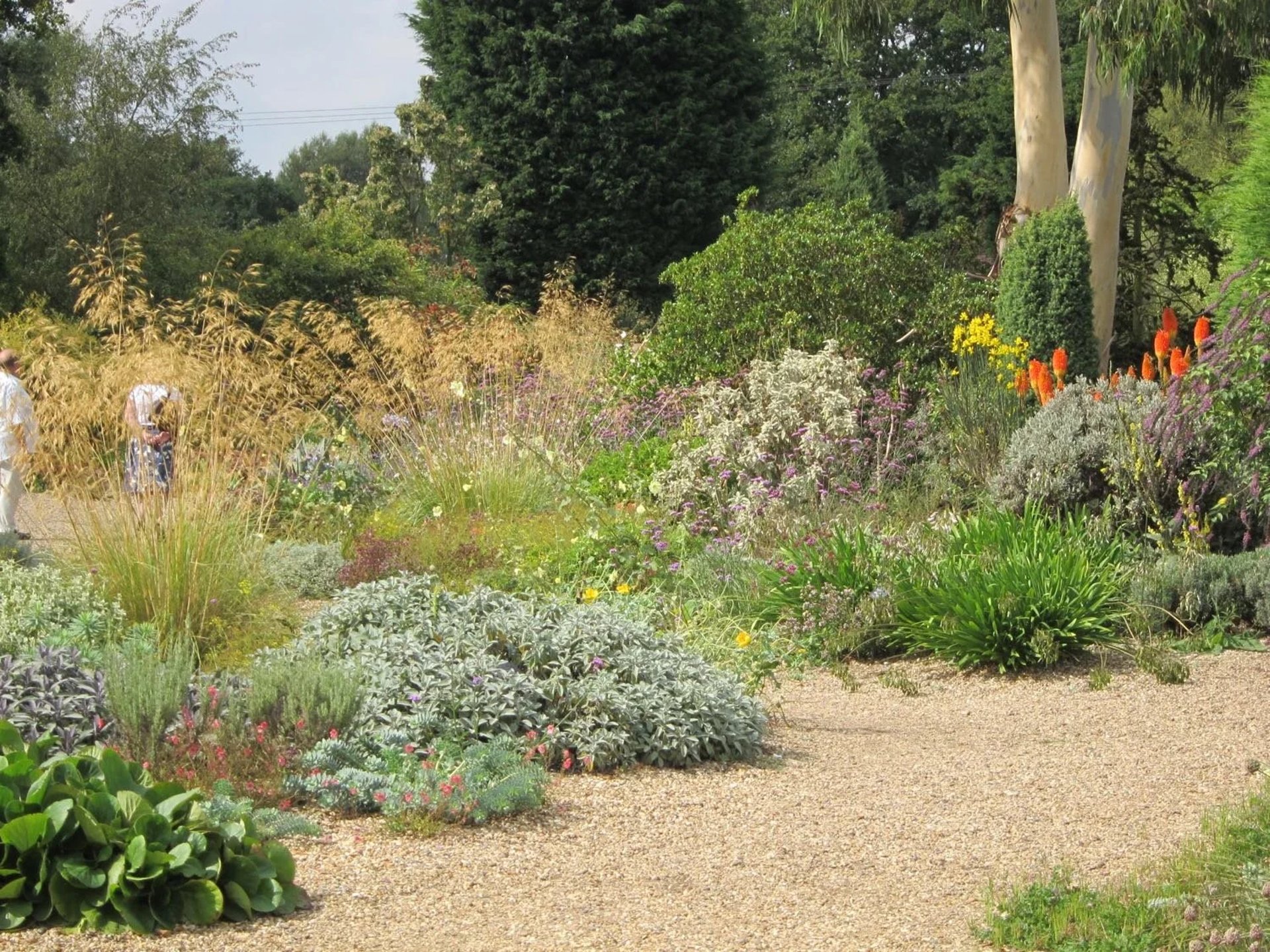
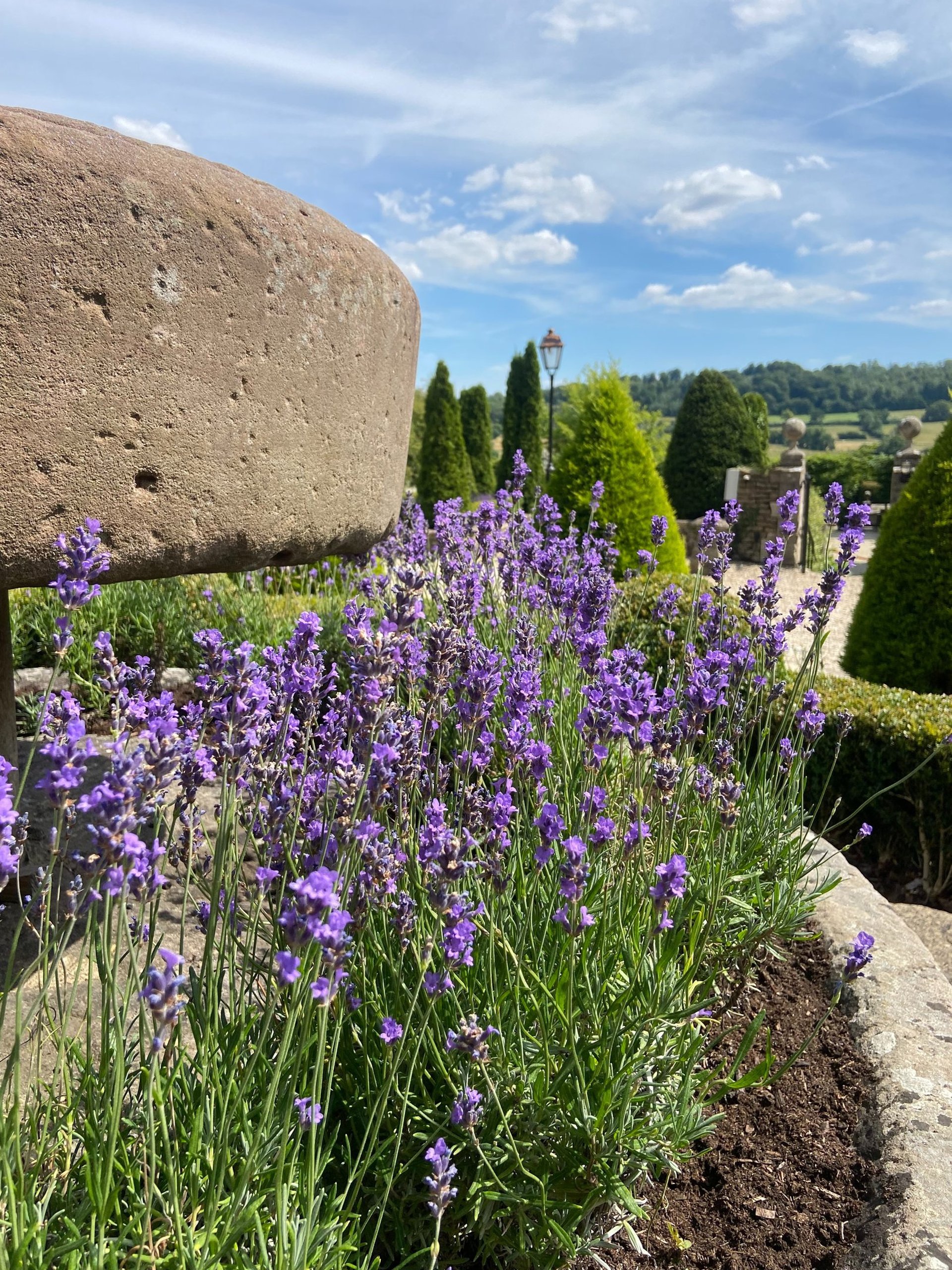
Nature has always adapted. Gardening should too
Gardening Has Always Adapted
One of the things I've become increasingly aware of over recent years is that gardening is changing.
Not suddenly.
Not dramatically from one season to the next.
But slowly enough that, if you've spent many years working outdoors, you begin to notice the differences.
Some summers seem to last a little longer than they once did. Dry spells have become more common, while heavy bursts of rain often arrive when they're least expected. Plants that struggled to survive in British gardens a generation ago are becoming increasingly comfortable, while others that were once considered reliable are beginning to need a little more thought and care.
Whether we like it or not, our gardens are changing.
The question isn't whether that change is happening.
The question is how we respond to it.
I don't believe the answer is to abandon everything we've learnt or to stop growing the plants we love. Gardening has always been rooted in tradition, and rightly so. Many of the techniques passed down through generations remain just as valuable today as they were when they were first discovered.
But tradition has never meant standing still.
If there's one thing history teaches us, it's that gardeners have always adapted. New plants have arrived from different parts of the world. New ideas have changed the way we grow food, manage pests and care for our soil. Every generation has faced its own challenges and quietly found new ways of working with nature rather than against it.
Perhaps this generation's challenge is simply different from those that came before.
For me, Gardening for Tomorrow isn't about predicting exactly what the future will look like. None of us can do that with any certainty. Instead, it's about building gardens that are better prepared for whatever tomorrow brings.
That might mean improving the soil so it holds moisture during dry weather.
It might mean planting a tree today that will provide shade twenty years from now.
It might mean choosing plants that are naturally better suited to warmer summers, or collecting rainwater because we understand that every drop has value.
None of those decisions feels particularly dramatic on its own.
Yet together they begin to shape gardens that are more resilient.
That's a word I've come to appreciate.
Resilience isn't about resisting change.
It's about being ready for it.
Some of the healthiest gardens I've worked in aren't the ones that never experience problems. They're the ones that recover well. Healthy soil bounces back after difficult weather. Diverse planting copes better when one species struggles. Mature trees help cool the ground beneath them, while ponds provide water for wildlife during long, dry periods.
Nature has spent millions of years learning how to adapt.
Perhaps our role as gardeners is to pay a little more attention to those lessons.
One of the reasons I'm so optimistic about the future of gardening is because gardeners are, by their very nature, problem solvers. We observe, we experiment and we learn. If something doesn't thrive, we ask why. If a plant surprises us, we remember it. Every season teaches us something we didn't know before.
That's how gardening has always moved forward.
Not through fear.
Through curiosity.
I think curiosity will be one of the most important gardening skills in the years ahead.
Rather than asking, "How do I keep gardening exactly as I always have?", perhaps the better question is, "How can I garden even better tomorrow than I do today?"
To me, that's a far more hopeful way of looking at the future.
Because Gardening for Tomorrow isn't about leaving the past behind.
It's about taking everything generations of gardeners have taught us and using that knowledge to prepare for whatever comes next.
That's not abandoning tradition.
It's honouring it.
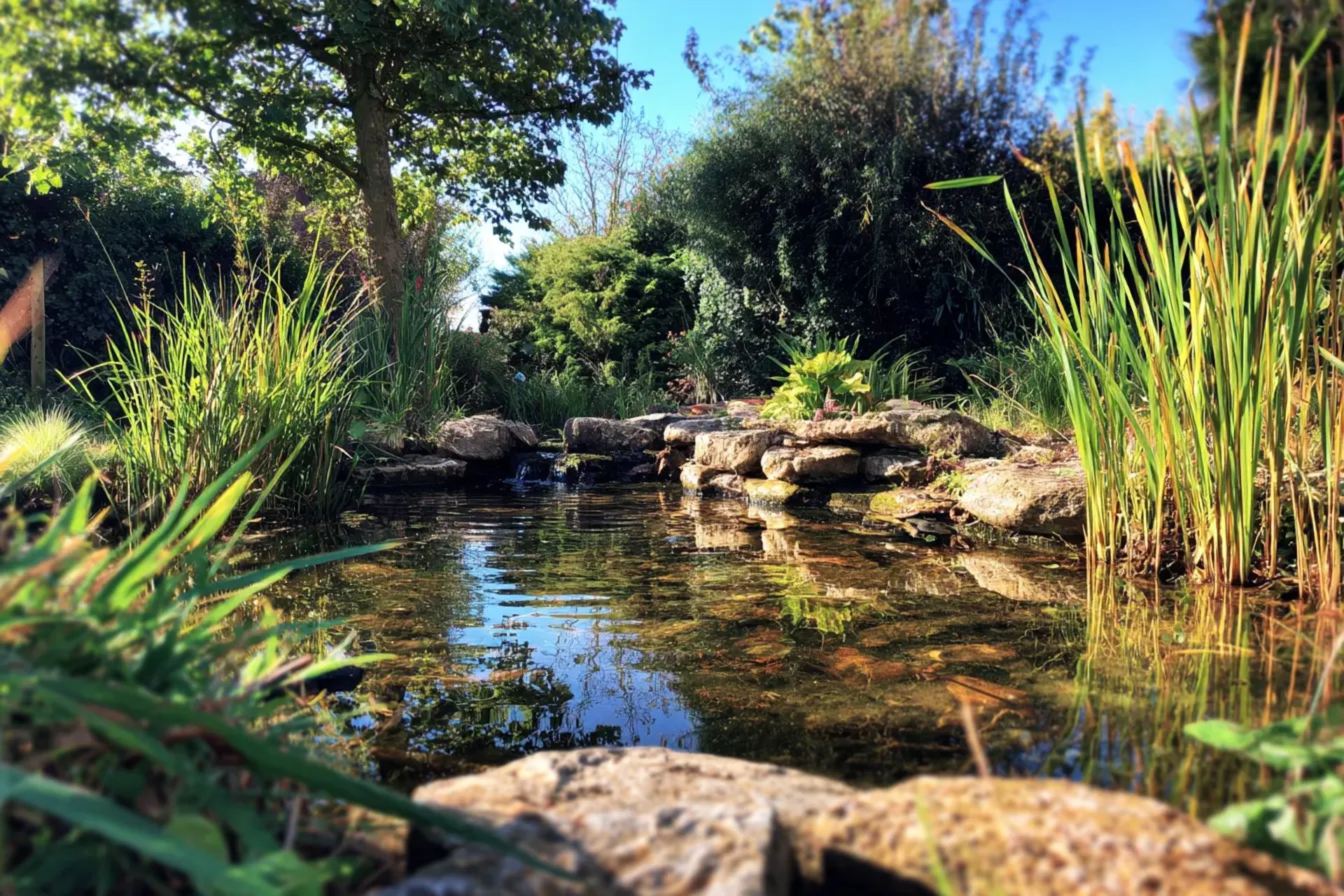
The future of gardening will be written by ordinary gardeners making thoughtful decisions
Gardening Is About People Too
For all the time I've spent talking about plants, soil and wildlife, I've come to realise that Gardening for Tomorrow isn't really about any of those things.
It's about people.
After all, gardens don't change on their own.
People change them.
Every tree that has ever been planted, every wildlife pond that has ever been dug and every border that has ever burst into flower began with someone making a decision. They picked up a spade, planted a seed or simply chose to care for a small piece of the world around them.
Gardens have always reflected the people who look after them.
Over the years I've been fortunate enough to work with many different gardeners. Some have decades of experience, while others have only just discovered the enjoyment of growing something for the first time. What has always struck me is that gardening has very little to do with how much you know.
It has everything to do with being willing to learn.
Some of the most enjoyable conversations I've had have been with people asking what they believed was a simple question. Why isn't this plant growing? When should I prune this shrub? Is this the right place for a tree?
They're never just gardening questions.
They're the beginning of someone's confidence.
Once people discover that they can successfully grow a rose, a tomato or even a pot of herbs on the patio, something changes. Gardening stops feeling complicated and starts feeling possible. That small success often leads to another, and before long they're experimenting, sharing plants with friends and encouraging somebody else to have a go.
That's how gardening spreads.
Not through experts telling people what to do.
But through gardeners sharing what they've learnt.
I've seen that happen time and time again.
I've watched neighbours swap cuttings over the garden fence, experienced gardeners patiently helping beginners and gardening clubs bringing together people who might never otherwise have met. I've seen children become fascinated by the tiny creatures living in a pond and adults rediscover a sense of wonder that they thought they'd left behind years ago.
Those moments matter.
Perhaps more than we realise.
When people care about gardens, they begin to care about the wildlife that visits them. They notice the first bee on a spring flower, the robin following them while they dig the soil and the butterflies that seem to appear from nowhere on a warm summer afternoon. The garden becomes more than something to look at.
It becomes something to belong to.
I think that's why community gardening has always felt so important to me. Whether it's a local gardening club, a school project, neighbours sharing ideas or thousands of people chatting online about what they're growing, every conversation has the potential to inspire someone else to make a small change in their own garden.
One garden becoming healthier is a wonderful thing.
Hundreds of gardens becoming healthier because people inspired one another is something altogether different.
That's where real change begins.
Not through grand announcements or complicated strategies, but through ordinary gardeners quietly passing on their enthusiasm.
Perhaps that's how Gardening for Tomorrow will grow as well.
Not because I've written these words.
But because somebody reads them, plants a tree, improves a patch of soil, digs a small pond or encourages a child to grow their first sunflower.
Then they tell somebody else.
That's how gardening has always moved forward.
One gardener at a time.
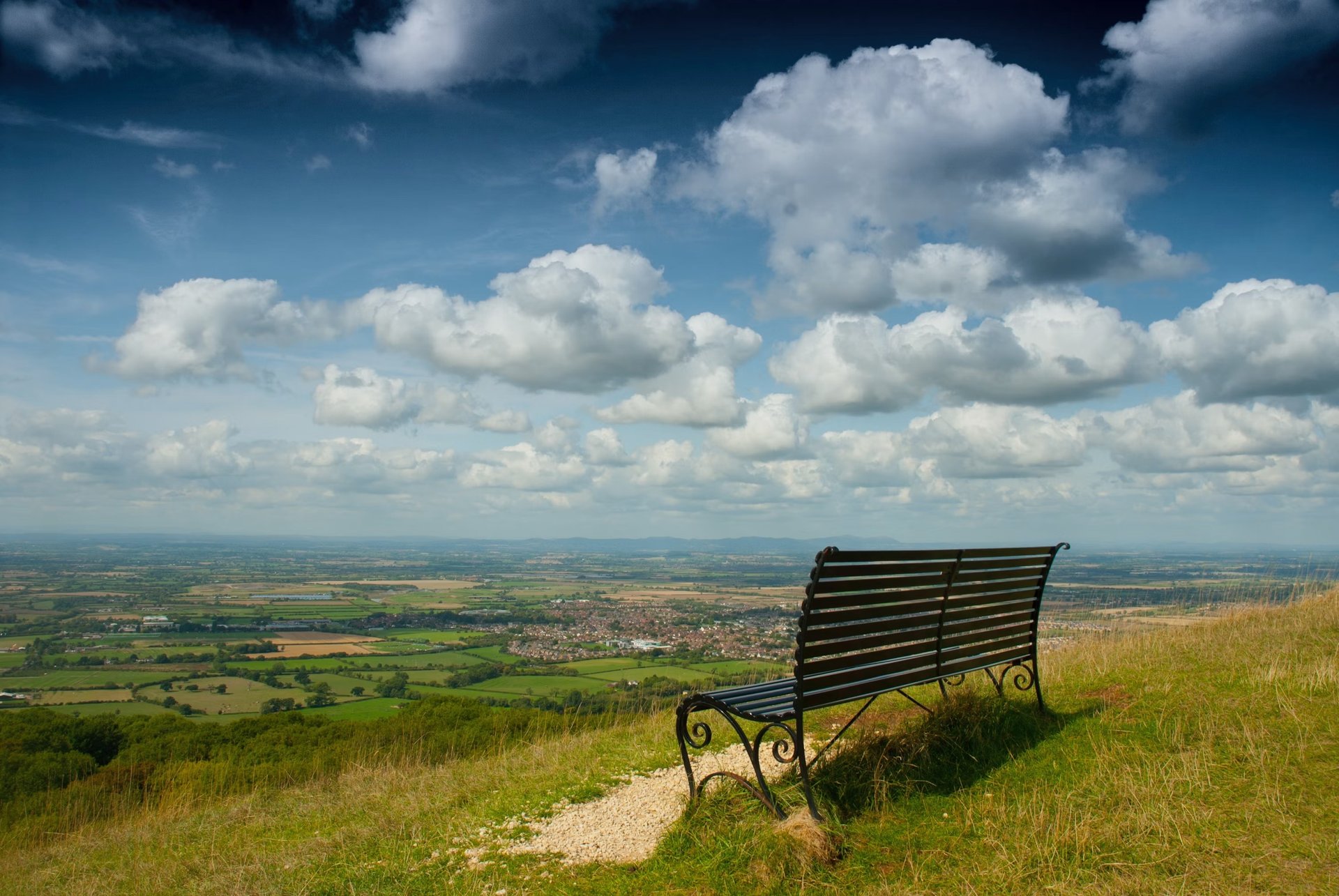
Tomorrow isn't something we wait for. It's something we grow
Looking Forward Together
When I first started gardening, I never imagined that one day I'd be writing about the future of gardening.
Like most people, I simply wanted to grow healthy plants, create beautiful gardens and learn a little more with every season that passed. Looking back now, I realise that's exactly where Gardening for Tomorrow began. Not with a grand idea, but with years of quiet observation. One garden leading to another, one lesson leading to the next and one simple question gradually becoming impossible to ignore.
"How can we leave our gardens better than we found them?"
The more I thought about that question, the more I realised there probably isn't a single answer.
Every garden is different.
A small courtyard in the middle of a town has different challenges from a large country garden. A new-build garden starts its journey in a very different place from one that has matured over the course of fifty years. Some gardeners have endless enthusiasm but very little time. Others have time in abundance but are only just discovering the confidence to pick up a trowel for the first time.
That's one of the things I love about gardening.
There isn't one right way to do it.
There never has been.
I don't want Gardening for Tomorrow to become another list of rules or another voice telling people they're not doing enough. I think most gardeners are already trying their best. They care about their gardens, they care about the wildlife that visits them and they want to leave something beautiful behind. My hope is simply that we begin asking a few more questions than perhaps we did before.
Can this soil be healthier next year than it is today?
Can this garden support a little more life?
Can I plant something that will still be bringing joy long after I've finished looking after it?
Can I share what I've learnt with someone else?
Those questions don't demand perfection.
They simply encourage progress.
If there's one thing gardening has taught me over the years, it's that progress is almost always built through small, consistent actions. A single handful of compost won't transform the soil, but years of caring for it will. One newly planted tree won't change a landscape, but thousands of them eventually do. One wildlife pond may only be a small patch of water, yet to a dragonfly, a frog or a thirsty bird, it can mean the world.
The same is true of gardeners.
One conversation can inspire someone to plant their first tree. One gardening club can give people the confidence to grow their own food. One school pond can inspire children to see nature in a completely different way. We often underestimate the ripple effect of the small things we do because we rarely get to see where those ripples end.
Perhaps we don't need to.
Perhaps it's enough to know we've started them.
As I continue writing, recording podcasts, giving talks and working in gardens, I know my own thinking will continue to evolve. Gardening has a wonderful habit of keeping us humble. Every season teaches us something new, and every garden quietly reminds us that there is always more to learn. I don't see Gardening for Tomorrow as a finished idea. I see it as an ongoing conversation, and I'd like to invite you to be part of it.
You won't find all the answers here.
I certainly don't have them.
What you'll find are observations, ideas, questions and practical ways of thinking about the future of gardening. Some may challenge the way you've always gardened. Others may simply confirm what you've believed for years. Both are valuable because gardening has always grown through curiosity, generosity and a willingness to keep learning.
I believe the future of gardening is incredibly exciting.
Not because it will be easy.
But because gardeners have always been remarkably adaptable, endlessly curious and quietly optimistic people. We plant bulbs in autumn believing spring will arrive. We sow seeds without any guarantee they'll germinate. We care for trees that may never reach maturity within our own lifetime.
Hope has always been part of gardening.
Perhaps that's why I'm so optimistic about tomorrow.
Not because I think one gardener can change the world.
But because millions of gardeners, each making thoughtful decisions in their own small corner of it, already are.
If Gardening for Tomorrow becomes anything, I hope it becomes a place where we can share those ideas, learn from one another and celebrate the belief that every garden, no matter its size, has the potential to make a difference.
After all, tomorrow isn't something that simply arrives.
It's something we grow.
Marcus Bergin