Gardening Has Always Been About Tomorrow
Every Garden Is an Act of Hope
There is something rather extraordinary about gardeners that I don't think we often stop to consider.
We spend our lives working towards a future we may never fully see.
Every autumn I find myself planting spring-flowering bulbs into cooling soil. I know that within a few weeks, the garden will appear quieter still. Leaves will fall, frost will arrive, and for a while it can seem as though nothing much is happening at all. Yet beneath the surface, those bulbs are already preparing for a season that hasn't yet arrived.
It struck me recently that gardening has always been like this.
Long before we began talking about hotter summers, changing weather patterns or drought-tolerant planting, gardeners were already thinking about tomorrow. We prune this year for next year's flowers. We improve soil knowing the greatest reward may not come until several seasons later. We plant fruit trees that take years to reach their full potential, and we carefully tend young trees whose full beauty may be enjoyed by our children or grandchildren rather than ourselves.
Hope has always been woven into gardening.
Perhaps that's one of the reasons gardening feels different from so many other pastimes. We don't expect instant results. In fact, we quietly accept that some of the most worthwhile jobs in the garden ask for patience. Compost takes time to mature. Shrubs take time to establish. A newly planted hedge takes years to truly become part of the landscape. Gardening teaches us, often without us even noticing, that worthwhile things are rarely rushed.
Looking back over my own years of gardening, I realise that many of the jobs I enjoyed most weren't those that produced immediate results. Creating a woodland border, planting a young tree or restoring tired soil all felt satisfying precisely because they were investments in the future. You begin the work knowing that nature will continue the journey long after you've put your tools away.
That way of thinking feels especially important today.
There is understandable concern about how gardens are changing. Summers seem different. Rainfall can arrive in sudden downpours or disappear for weeks. Gardeners naturally wonder whether the plants they've always grown will continue to thrive. Yet I don't see adapting our gardens as abandoning tradition. Quite the opposite. Gardening has always adapted because nature has never stood still.
The gardeners who came before us constantly learned from the seasons they experienced. They observed what flourished, what struggled and what surprised them. They experimented, shared ideas and gradually passed that knowledge to the next generation. In many ways, every generation of gardeners has quietly prepared gardens for the one that followed.
Perhaps that's the real lesson.
Gardening has never been about freezing a moment in time. It has always been about looking ahead with optimism, making thoughtful decisions and trusting that nature will respond in its own way.
When we plant something today, we are making a promise to tomorrow.
Sometimes that promise lasts for a single season. Sometimes it lasts for a century.
Either way, every seed sown, every tree planted, and every spadeful of compost spread is an expression of hope that the future can be greener, healthier and more beautiful than today.
For me, that isn't a new way of thinking about gardening.
It's how gardening has always been.
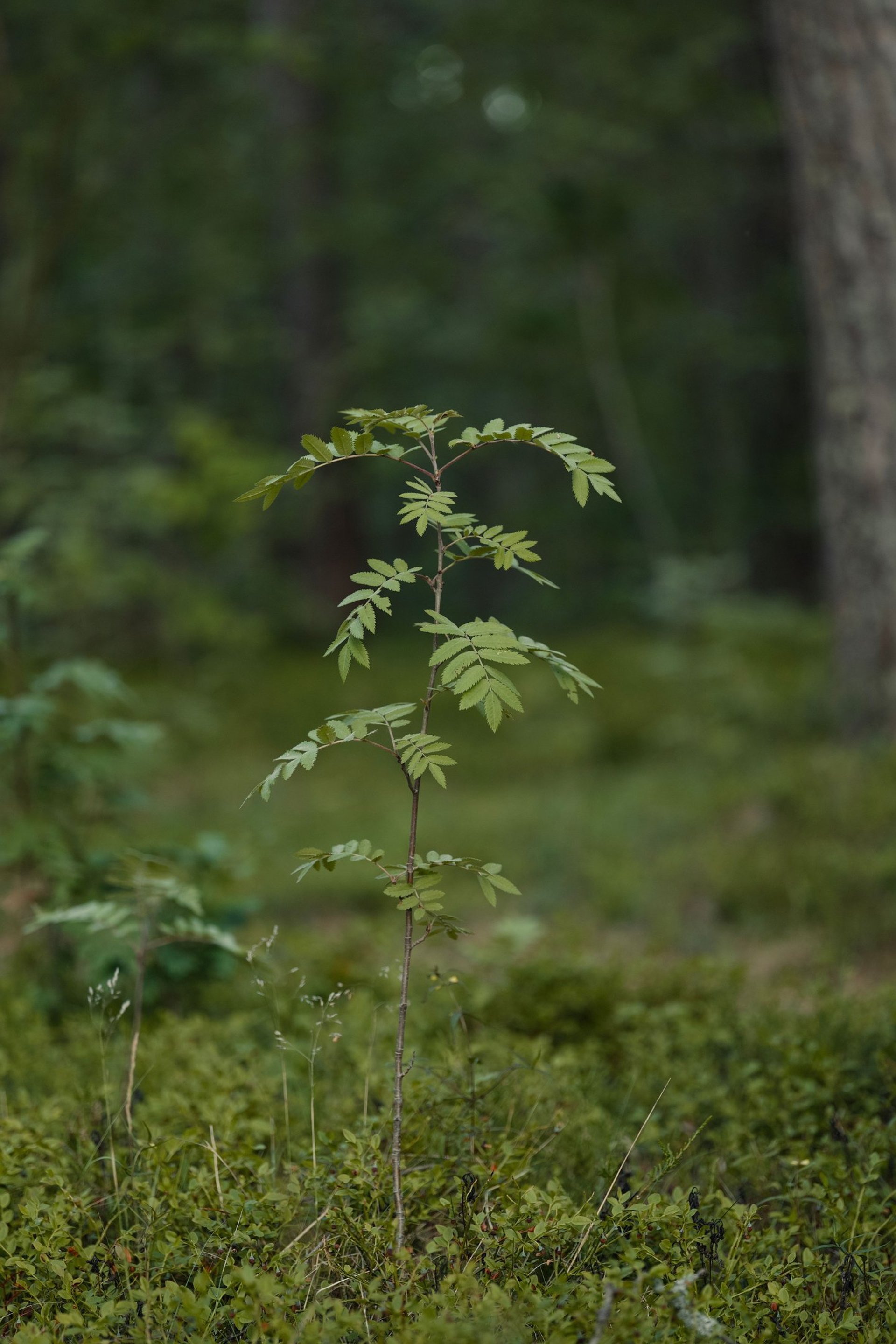
Every garden is a promise to the future
We Are Only the Custodians
It is easy to fall into the habit of saying, "my garden."
I say it myself.
Yet the more years I spend working in gardens, the more I realise that the word "my" isn't entirely true.
The garden wasn't created the day we moved into our house. It has a history that stretches back long before we arrived. Perhaps someone planted the apple tree decades ago. Maybe an old hedge marks a boundary that has existed for generations. There may be bulbs that faithfully appear every spring, planted by someone whose name has long since been forgotten. Even the soil beneath our feet has been shaped by countless seasons, earthworms, fungi and microorganisms, all quietly working long before we first picked up a spade.
In many ways, we simply become the next chapter in a garden's story.
That thought has changed how I look at almost every gardening decision I make.
When we think of ourselves as owners, it is tempting to make decisions that suit only the present moment. We might choose the fastest-growing hedge, remove an old tree because it drops leaves, or pave over a corner of the garden because it is easier than looking after it. Those choices can sometimes be the right ones, but they become very different when we pause to ask a simple question.
What am I leaving behind?
It is a question gardeners have quietly asked for centuries, even if they have never spoken the words aloud.
The oak planted by a previous generation now casts welcome shade across a lawn. The beech hedge, once little more than a line of slender whips, has become a home for birds, insects and small mammals. A fruit tree planted for a young family may still be producing apples long after those children have grown up and moved away.
None of those gardeners could fully enjoy the garden they were creating.
They planted with faith that someone else would.
Perhaps that is one of the most generous things about gardening. We willingly invest our time, energy and patience into something that may reach its finest moment after we are gone. Few other pursuits ask us to think so far beyond ourselves.
I often wonder whether we would garden differently if we reminded ourselves that we are only temporary custodians.
Would we leave a little more dead wood for insects? Would we think twice before removing a mature tree that took half a century to grow? Would we improve the soil instead of simply feeding the plants? Would we create somewhere cool to sit beneath summer shade, knowing that one day somebody else may enjoy it just as much as we do?
These are not sacrifices.
They are gifts.
Every compost heap that enriches tired soil, every tree planted with the future in mind, every pond created for wildlife, every hedge allowed to mature, becomes part of a legacy that quietly passes from one gardener to the next.
Perhaps that is why gardening has always felt different from simply decorating an outdoor space.
A garden is never truly finished because it never truly belongs to us.
We care for it for a while, we add our own chapter, and then, sooner or later, somebody else takes up the story.
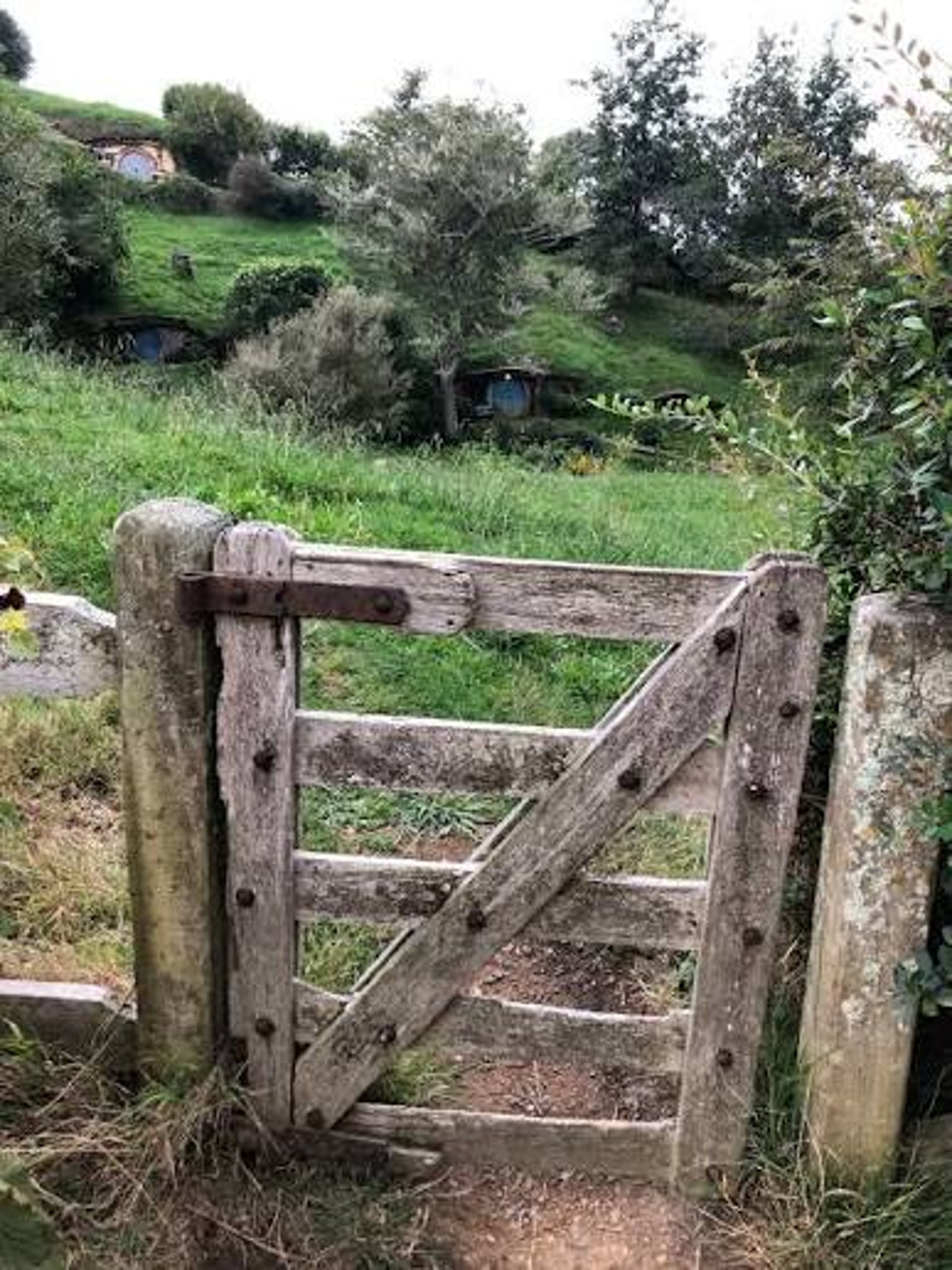
We are not the owners of our gardens. We are simply thier custodains
Gardening Has Never Stood Still
Sometimes we talk about gardening as though there was once a perfect moment when everyone knew exactly what to do.
I don't believe there ever was.
Gardening has always been a process of learning, experimenting and adapting. Every generation has inherited new plants, discovered better ways of growing them and quietly left behind ideas that no longer worked. What we now think of as traditional gardening was once new, questioned and occasionally controversial.
The gardens our grandparents tended were not the same as those of their grandparents. New plants arrived from around the world. Different vegetables became popular. Roses changed. Fruit varieties improved. Lawns became fashionable, then expected. Chemical fertilisers appeared and were widely embraced before many gardeners began looking again at compost, mulches and healthier soils. More recently we've seen peat-free compost become the new normal, bringing with it fresh challenges and fresh understanding.
None of this happened overnight.
It happened because gardeners noticed things.
They observed that one plant coped better than another. They realised that a tree was happier in one position than somewhere else. They discovered that adding organic matter improved difficult soil. They learned by making mistakes, trying again and sharing what they found with neighbours, friends and future generations.
That, to me, is the real tradition of gardening.
Not rigidly doing things the way they've always been done, but paying attention to the garden in front of us.
The seasons themselves teach us this lesson every year. No two springs are identical. One year the daffodils seem to flower weeks early, another year they wait. One summer is cool and damp, the next feels endlessly dry. Some winters pass almost unnoticed, while others remind us just how powerful frost can be. Every season asks us to respond rather than simply repeat.
The best gardeners I've met over the years all seem to share one quality.
Curiosity.
They don't pretend to know everything. They watch. They listen. They notice. If something doesn't work, they don't see it as failure; they see it as another piece of the puzzle. They understand that a garden is always teaching us, if we're prepared to pay attention.
Perhaps that's why I find the phrase "we've always done it this way" sits rather uneasily with me.
Gardening has never stood still.
It has always evolved alongside the landscapes we live in, the knowledge we gain and the lives we lead.
If today's gardens ask us to think a little differently once again, then perhaps we are not breaking with tradition at all.
Perhaps we are simply continuing it.
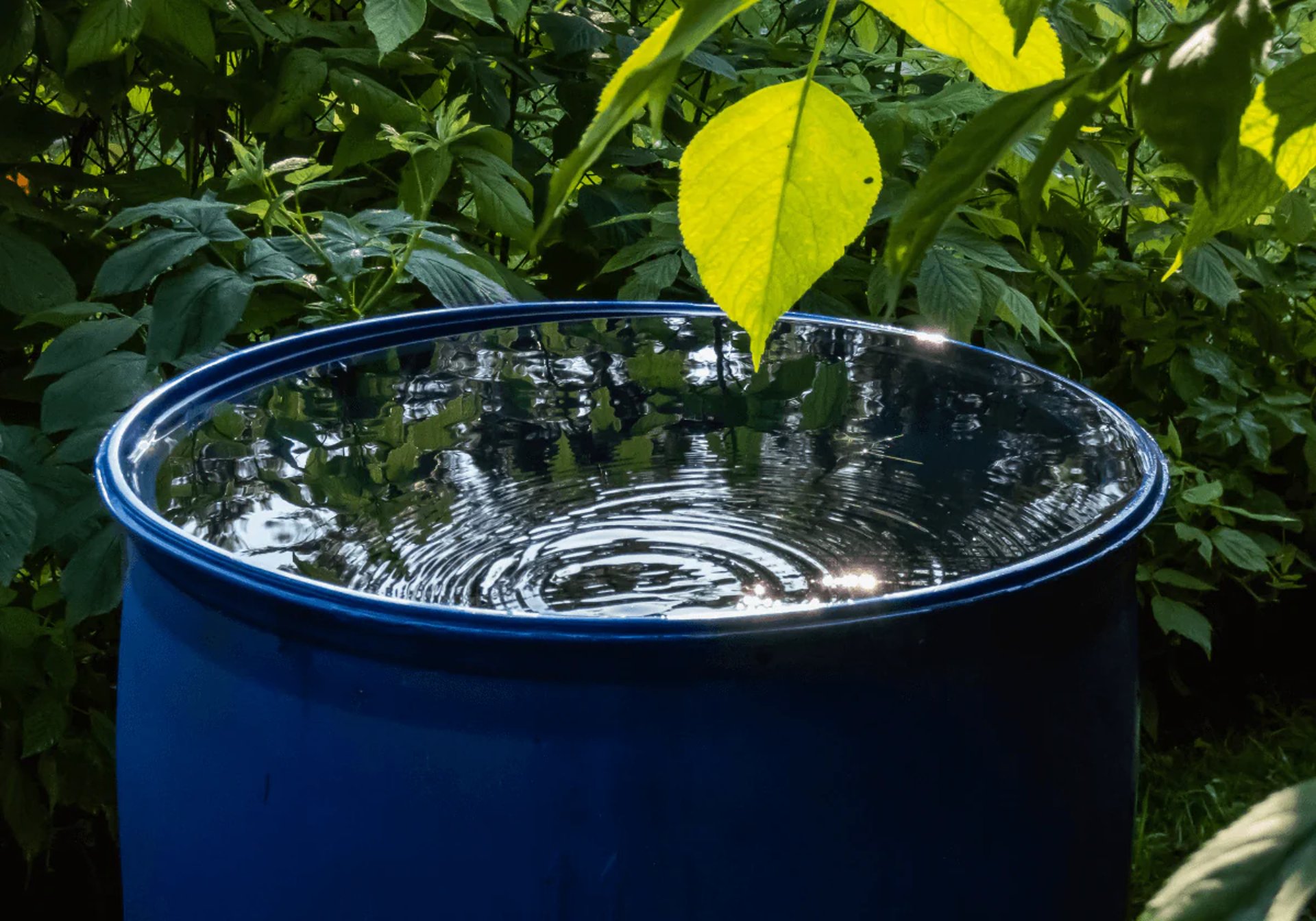
Nature never stands still. Neither should a gardeners
Why Tomorrow Matters More Than Ever
If gardening has always been about looking ahead, then why does it feel different today?
I have asked myself that question many times.
When I first began working in gardens, I don't remember spending much time thinking about whether a particular shrub would cope with prolonged summer drought, or whether a newly planted tree might become one of the most valuable features in the garden twenty years from now. Those thoughts simply weren't part of everyday gardening conversations.
Today they are.
Not because gardeners have suddenly become more interested in the future, but because the future seems to have arrived a little earlier than many of us expected.
Over the years, I've noticed subtle changes. Some are difficult to measure but impossible to ignore. Summers that seem to linger. Dry spells that last just that little bit longer. Sudden downpours after weeks without meaningful rain. Winters that sometimes feel gentler than they once did, followed by sharp cold snaps that catch plants by surprise. Seasons that don't always seem to follow the patterns we once expected.
None of those observations tell the whole story on their own.
But together they encourage us to ask better questions.
Instead of asking, "What plant do I like?" we begin asking, "Will this plant still thrive here in twenty years?"
Instead of planting a tree simply because it looks attractive, we begin to appreciate the shade it may provide during increasingly warm summers.
Instead of seeing a pond as an ornamental feature, we recognise it as a place that cools the garden, supports wildlife and creates a richer experience for everyone who spends time there.
Instead of treating soil as something that merely holds plants upright, we begin to understand that healthy soil stores water, supports life and helps gardens become more resilient.
These are not entirely new ideas.
Perhaps what has changed is the urgency with which we think about them.
Good gardeners have always planned for next season.
Now we may also find ourselves planning for the next decade.
That doesn't mean abandoning the gardens we love.
It doesn't mean replacing every cottage garden with gravel or filling every border with Mediterranean plants. Gardens are deeply personal places, shaped by local conditions, individual taste and the people who care for them. A drought-tolerant plant that thrives in one part of the country may struggle in heavy clay somewhere else. The right answer has never been the same for every garden.
What it does mean is becoming more thoughtful.
Observing more carefully.
Choosing more wisely.
Accepting that every garden has its own character, its own challenges and its own opportunities.
Perhaps that is the greatest lesson the garden continues to teach us.
The future isn't something to fear.
It is simply the next season, asking us—as gardeners have always done—to watch, to learn and to adapt.
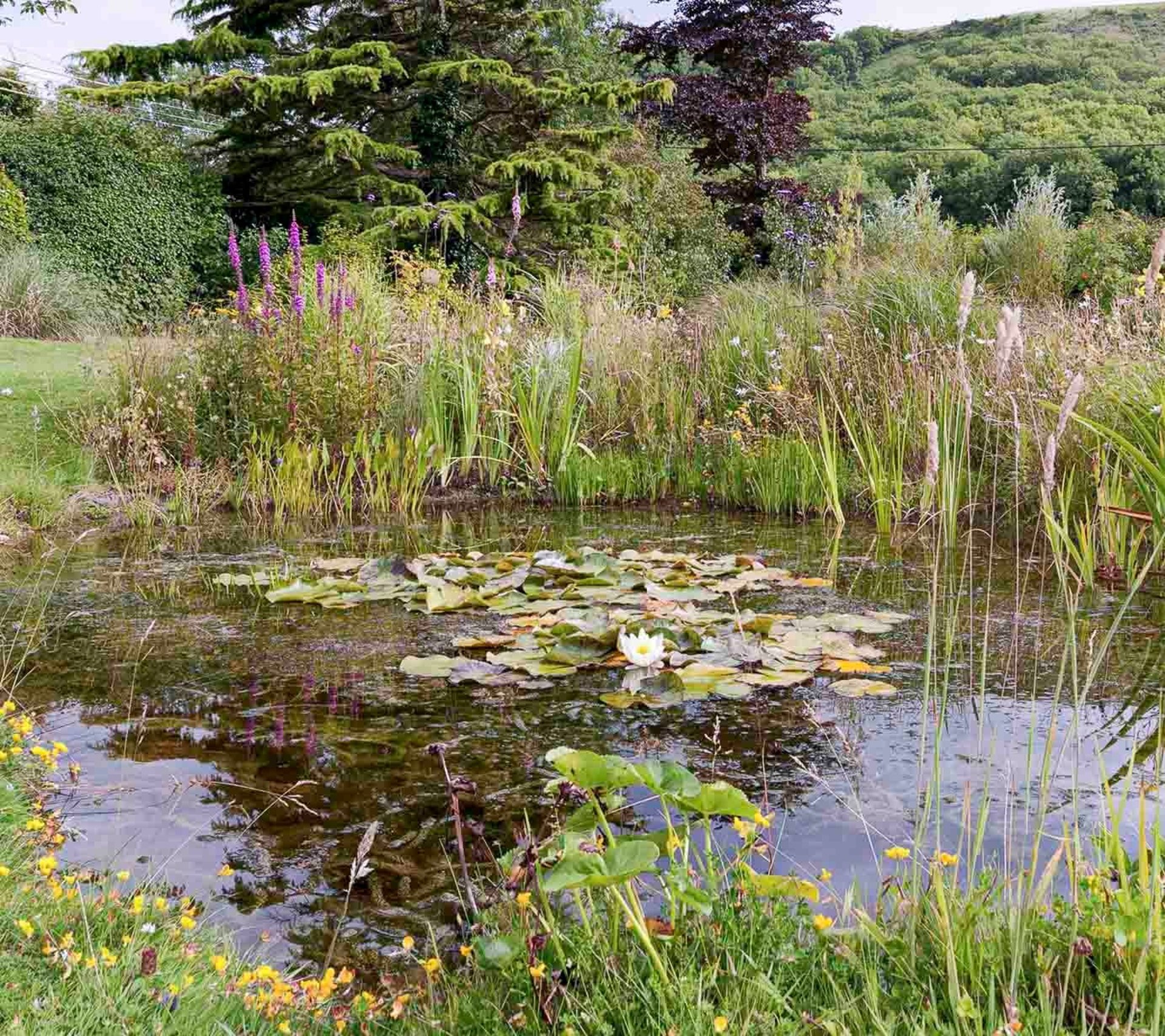
Tomorrow's gardens are shaped by the choices we make today
The Garden We Leave Behind
As gardeners, we often measure our work by the changing seasons.
We look forward to the first snowdrops of the year, the fresh green of spring, the long evenings of summer and the rich colours of autumn. We celebrate each season as it arrives, and before long, we find ourselves preparing for the next. Gardening has a wonderful way of keeping us looking ahead.
Perhaps that is why it has taken me so many years to realise that I was never really gardening just for myself.
Every decision we make has consequences that stretch beyond today.
The tree we choose to plant may one day cast shade over a child reading a book on a warm afternoon. A pond created for frogs and dragonflies may become the place where a young family first discovers the excitement of watching wildlife up close. Soil improved with compost year after year may support generations of plants that we will never see fully mature.
Equally, the decisions we choose not to make also shape the future.
Every mature tree that disappears leaves an absence that cannot be replaced quickly. Every healthy soil that is neglected becomes harder to restore. Every opportunity to slow water, provide shade or create habitat quietly slips away. Gardens are remarkably forgiving, but they also remind us that some things take decades to rebuild.
None of this is meant to make us feel guilty.
Quite the opposite.
I find it incredibly hopeful.
Because every gardener, no matter how large or small their garden may be, has the opportunity to make a positive difference. Not by chasing perfection, but by making thoughtful choices, one season at a time. Planting one tree. Improving one border. Leaving a corner for wildlife. Collecting rainwater. Adding organic matter to the soil. Choosing plants that belong in the conditions we have, rather than the conditions we wish we had.
Small decisions, repeated over many years, become lasting change.
That, I believe, has always been the quiet strength of gardening.
It is not a hobby built around instant results. It asks us to think beyond ourselves. To accept that some of the finest things we create may reach their full beauty long after we have put down our tools for the last time.
When I look at an old oak tree, I sometimes wonder about the person who planted it. They almost certainly never imagined that someone they would never meet might one day stand beneath its branches and feel grateful for its shade.
That is a remarkable legacy.
Perhaps every gardener leaves one.
Whether we realise it or not, we are all writing a small chapter in a story that began long before we arrived and will continue long after we are gone.
The question is not whether we will leave something behind.
The question is what kind of garden we choose to leave.
If Gardening for Tomorrow means anything to me, it is this.
To leave every garden a little healthier.
A little more resilient.
A little more welcoming to wildlife.
A little more beautiful.
And a little better prepared for the people who will one day call it their own.
After all, gardening has never really been about today.
It has always been about tomorrow.
Marcus