What Is a Garden Really For?
More Than Plants
When someone asks us to describe a garden, most of us instinctively begin talking about plants. We mention roses climbing over arches, borders filled with colourful perennials, neatly clipped hedges or perhaps a perfectly striped lawn. We picture flowers in bloom, shrubs providing structure, and a tree standing proudly at the end of the garden. It seems the obvious place to begin because plants are the most visible part of any garden. Yet the longer I've spent working in gardens, the more I've realised that the plants themselves are only part of the story.
If I asked you to think of your favourite garden, I doubt the first thing that comes into your mind would be the botanical name of a shrub or the exact variety of rose growing in one of the borders. More often than not, what we remember is how that place made us feel. We remember the warmth of an evening sun while sitting outside with a cup of tea, the scent of roses drifting through an open window, the sound of rain falling gently onto leaves after weeks of dry weather or the welcome relief of sitting beneath the shade of an old tree on a hot summer afternoon. Perhaps we remember watching a robin bathing in a bird bath, or seeing a child crouched down in complete fascination as a snail slowly made its way across a garden path. Those moments stay with us long after the names of the plants have been forgotten.
That, I think, is why gardens matter so much. They are one of the very few places where all of our senses come together. We don't simply look at a garden; we hear it, smell it, touch it and experience it. The rough bark of an old oak, the softness of moss beneath our feet, the fragrance of freshly cut grass or damp soil after rain, the movement of grasses in a gentle breeze and the changing light through the branches all become part of the experience. A truly memorable garden is never just something we admire from a distance. It is somewhere that invites us to spend time.
The remarkable thing is that this experience is never fixed. Every season offers something different. Spring brings expectation as new growth begins to appear, summer encourages us outdoors to enjoy longer evenings, autumn rewards us with colour and texture, while winter reminds us that rest is just as important as growth. A garden is constantly changing, which means our relationship with it changes too. We return to the same place throughout the year, yet it is never quite the same garden twice.
For many years, I thought gardening was primarily about growing good plants. Today I see it rather differently. Plants remain at the heart of every successful garden, but their greatest purpose is not simply to exist as individual specimens. They create shade that cools us on warm afternoons, provide food and shelter for wildlife, soften hard landscapes, improve our wellbeing and encourage us to spend more time outdoors. In many ways, the plants become the means rather than the end. They create the experiences that make gardens meaningful.
Perhaps that is the first question we should ask before introducing any new plant into our garden. Rather than asking simply, "Do I like this?", perhaps we should also ask, "What will this plant contribute to this place? How will it enrich the lives of the people and wildlife that share it?" Once we begin asking those questions, we stop thinking about gardens as collections of plants and start seeing them as living places. For me, that is where Gardening for Tomorrow truly begins.
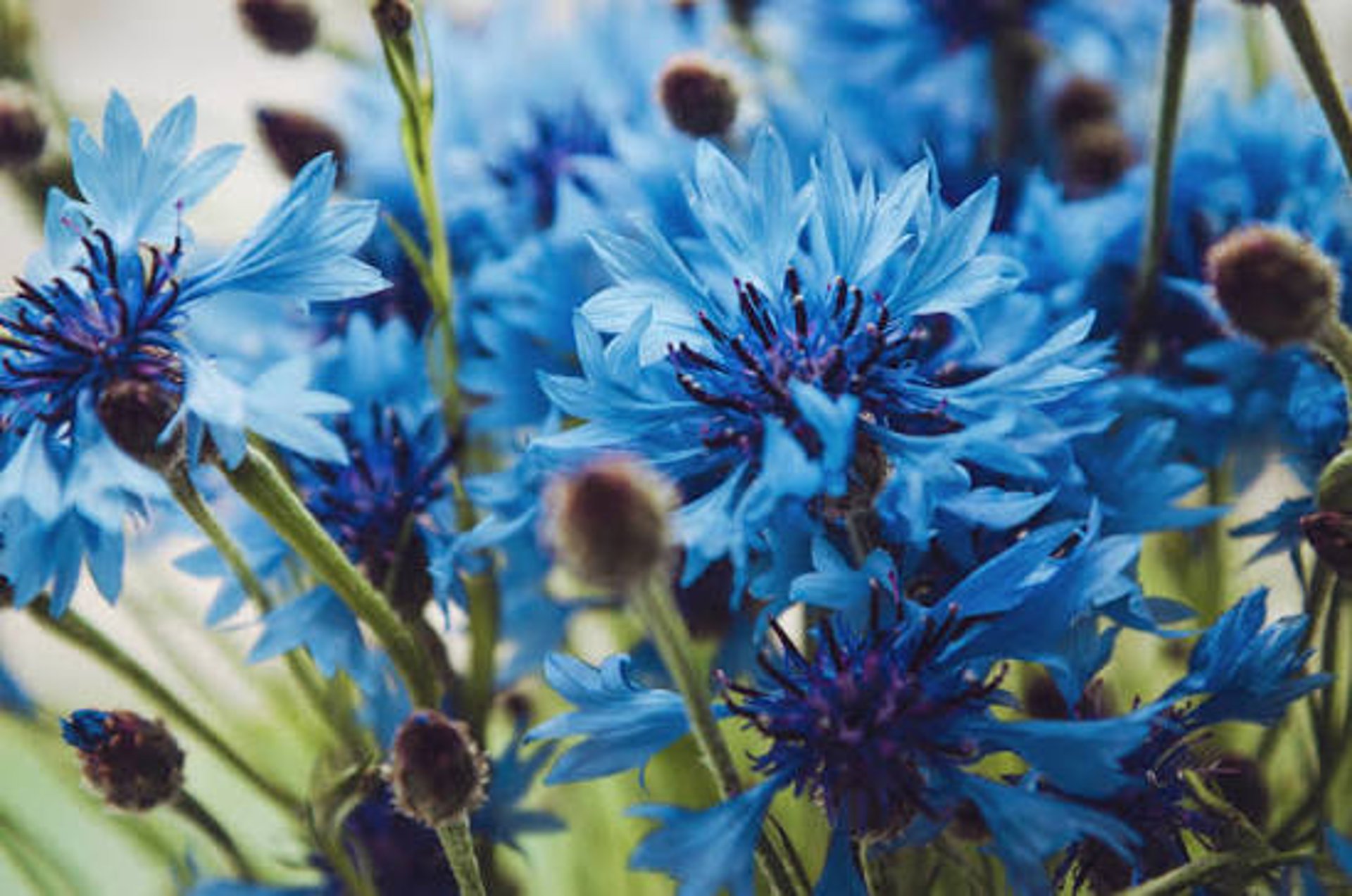
A garden is remembered not for the plants it contains, but for the feelings it creates.
Gardens Are About People Too
For many years I thought that if I could grow healthy plants, I was becoming a better gardener. Healthy plants are, of course, important. They are the framework around which every successful garden is built. Yet as I've spent more time not only working in gardens but watching the people who use them, I've come to realise that the greatest measure of a garden is not how well the plants are growing, but how well the people within it are living.
Some gardens invite you to slow down the moment you step through the gate. Others encourage conversation, play or quiet reflection. Some are full of laughter as children search for ladybirds amongst the flowers or balance along the edge of a raised bed. Others become peaceful places where someone can sit alone after a difficult day, listening to birdsong and watching the changing light through the branches of a tree. These experiences are rarely accidental. They are created by thoughtful design, careful planting and an understanding that gardens are ultimately places for people.
It is perhaps easy to forget that throughout history gardens have always been refuges. They have provided food during difficult times, places of rest after long days of work and somewhere to gather with family and friends. Today, although our lives have changed, our need for those spaces has not disappeared. If anything, it has become even greater. We spend more hours indoors than ever before, surrounded by screens, traffic and constant demands for our attention. A garden offers something increasingly rare: an opportunity simply to be present.
That is why I believe beauty has an important role to play. Beauty is sometimes dismissed as a luxury, as though it were less important than wildlife or sustainability. I see it rather differently. Beauty draws us outside. It encourages us to linger a little longer beneath a tree, to notice the scent of a rose, the movement of ornamental grasses or the first butterfly of summer drifting across a border. If people fall in love with their gardens, they are far more likely to care for them, invest in them and protect the wildlife that shares them.
The same principle applies to comfort. As our summers become warmer, the value of a cool, shaded corner becomes greater than ever. A mature tree, once planted simply because it looked attractive, now provides relief from intense sunshine. A pond offers more than a home for frogs and dragonflies; it cools the surrounding air, reflects the changing sky and brings the gentle sound of moving water into the garden. Comfortable gardens are gardens that people choose to use, and the more time we spend outdoors, the stronger our connection with the natural world becomes.
Gardens should also welcome us throughout every stage of life. A young child experiences a garden very differently from an older gardener, yet both deserve spaces that inspire curiosity and enjoyment. For a child, a garden is somewhere to discover worms beneath a stone, watch bees visiting lavender or marvel at a snail carrying its home upon its back. For someone in later life, it may become a place of quiet routine, gentle exercise and familiar comfort. Good gardens recognise those changing needs without ever losing their sense of wonder.
Perhaps that is one of the greatest lessons gardening has taught me. Plants matter enormously, but they are never the whole story. They shape our experiences, influence our wellbeing and connect us with the world beyond our own front door. A truly successful garden doesn't simply grow beautiful plants; it enriches the lives of the people who spend time within it. Long after the names of individual plants have been forgotten, it is that feeling people remember, and perhaps that is the greatest gift any garden can offer.
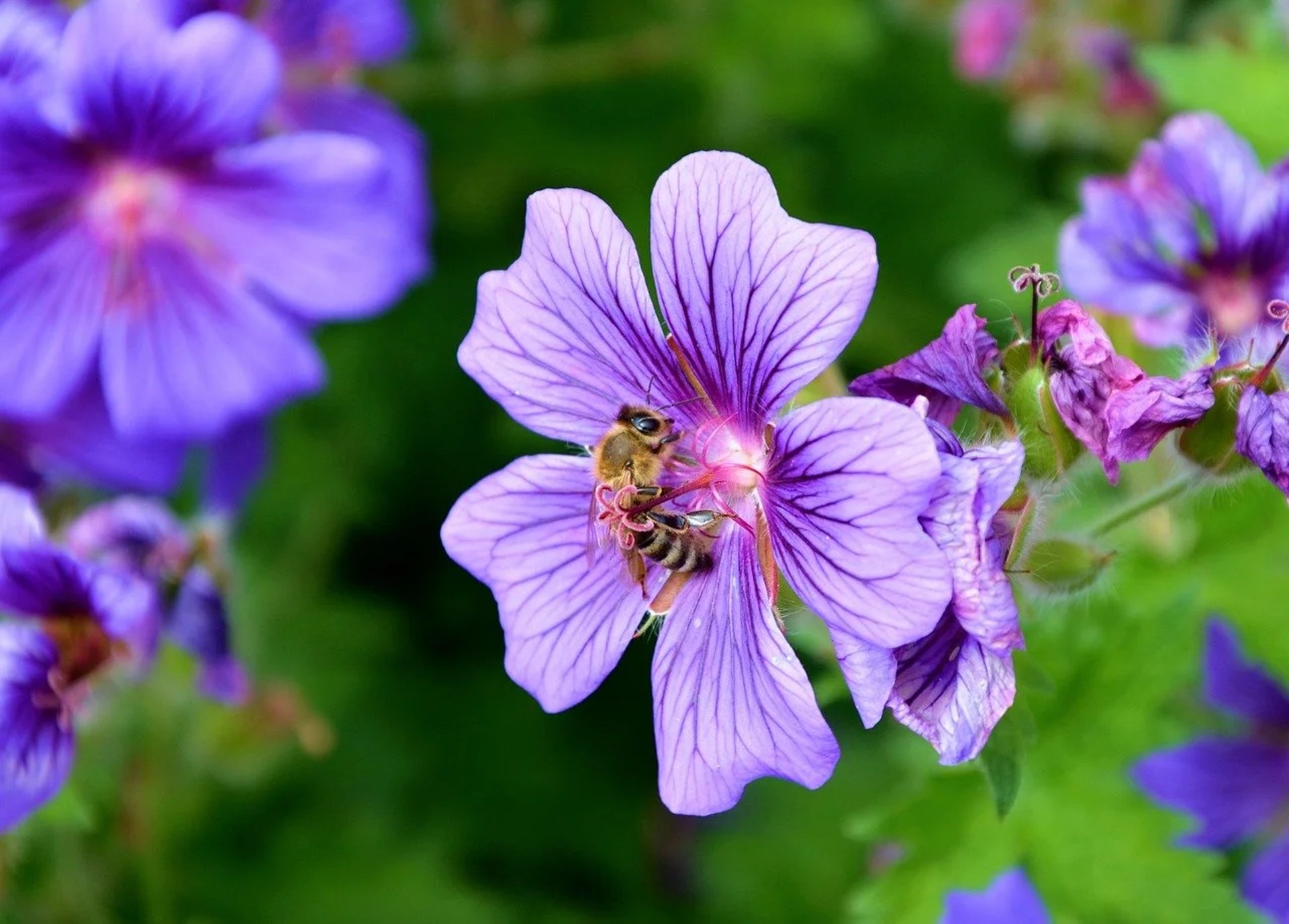
The finest gardens don't simply grow plants. They enrich people's lives.
Every Part of a Garden Should Earn Its Place
Walk into many modern gardens and you'll often find the same familiar layout. A rectangle of lawn occupies the centre, surrounded by fences, perhaps with a narrow border running around the edges. There is nothing particularly wrong with that arrangement. It has become the standard garden that many of us have grown up with. Yet I sometimes find myself asking a simple question.
What is each part of this garden actually doing?
Not every square metre has to work hard, nor should every corner be filled with plants. Gardens need open spaces just as much as they need planted ones. A lawn provides somewhere for children to play, somewhere to spread a picnic blanket on a summer afternoon or simply a place where the eye can rest amongst more detailed planting. The mistake is not having a lawn. The mistake is assuming that every garden needs one simply because that is what gardens have always looked like.
The same question can be asked of almost everything else we choose to include. A tree is rarely just a tree. It offers shade during increasingly warm summers, provides shelter and nesting places for wildlife, softens the outline of a building and brings changing colour and character throughout the seasons. It may become somewhere to hang a swing, somewhere to sit beneath with a book or simply the feature that gives a garden its identity. One thoughtful decision has the potential to enrich a garden in countless different ways.
A pond tells a similar story. Many people still imagine ponds as expensive features that require pumps, filters and ornamental fish. In reality, even a modest wildlife pond can transform a garden. It attracts frogs, dragonflies and birds, creates reflections that change with the light and introduces the gentle sound of water into an outdoor space. During hot weather it also contributes to a cooler, more comfortable environment. It performs many tasks at once, while asking very little in return.
Even the soil beneath our feet has a purpose far beyond simply supporting plants. Healthy soil stores water during wet periods and gradually releases it as conditions become drier. It supports billions of organisms, from earthworms to microscopic fungi, quietly recycling nutrients and building the foundation upon which every successful garden depends. Looking after the soil is perhaps one of the least visible jobs a gardener undertakes, yet it influences almost everything else.
This way of thinking has gradually changed how I design gardens. Rather than asking how many plants I can fit into a border, I find myself asking what experiences I want that space to create. Should it provide shade? Encourage butterflies? Frame a view from the kitchen window? Offer somewhere peaceful to sit? Slow rainwater before it leaves the garden? Perhaps it can achieve several of those things at the same time.
There is something deeply satisfying about gardens where every element quietly contributes to the whole. The lawn becomes more than grass beneath our feet. The hedge becomes more than a boundary. The tree becomes more than a specimen. Each part supports the others, creating a garden that feels balanced, resilient and alive.
Perhaps that is the shift in thinking that Gardening for Tomorrow asks us to make. Instead of filling our gardens with features, we begin creating places where every decision has meaning. Not because every corner must be productive, but because every corner has the opportunity to contribute something—to people, to wildlife and to the future of the garden itself.
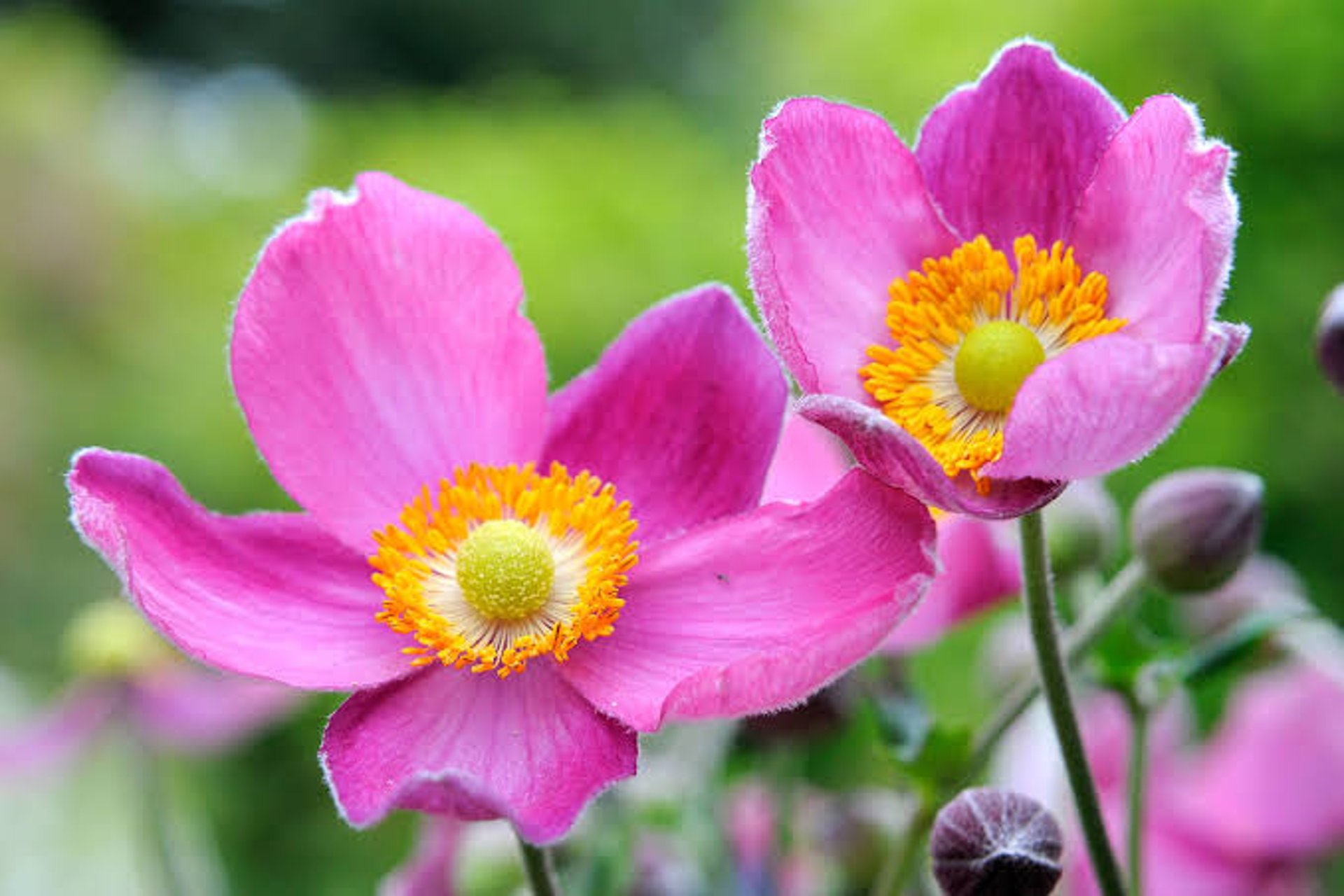
Every part of a garden should have a purpose, and the best parts have many.
Gardens That Give Back
There was a time when I probably judged a successful garden by how it looked.
Were the borders full?
Was the lawn green?
Had the roses flowered well?
Those things still matter, of course. Beauty has an important place in gardening, and I hope it always will. Yet over the years I've found myself asking a different question whenever I walk into a garden.
What does this garden give back?
It is a surprisingly simple question, but one that changes the way you see almost everything.
A mature tree gives back in countless ways. It cools the air beneath its branches during the hottest days of summer, offers shelter to birds and insects, filters dust from the air and provides blossom, autumn colour and seasonal interest. Long after the person who planted it has gone, it continues quietly improving the lives of everyone who passes beneath it.
The same is true of healthy soil. We often think of soil as something we grow plants in, yet it is one of the busiest and most remarkable living systems in the garden. Rich soil absorbs rainfall, reducing surface run-off after heavy showers. During dry periods it slowly releases that stored moisture back to plant roots. Beneath the surface, countless organisms are constantly breaking down organic matter, recycling nutrients and building the structure upon which every healthy garden depends. Looking after the soil is not simply about growing stronger plants; it is about supporting the living foundation of the entire garden.
Even something as simple as a hedge has a role far beyond marking the edge of a property. It softens the wind, provides nesting sites for birds, offers shelter to insects and creates a corridor through which wildlife can move from one garden to the next. A single hedge may seem insignificant, but when it joins with thousands of others across towns and villages, it becomes part of a much larger network that supports life beyond the garden gate.
Water deserves the same careful thought. For generations we have become used to treating rainwater as something to dispose of as quickly as possible. Gutters carry it into drains, where it disappears from our gardens almost as quickly as it arrived. Yet every shower represents an opportunity. Water butts, rain gardens and healthy soils all help to slow that journey, keeping precious water within the landscape where it can continue to support plants, wildlife and people during the drier weeks that often follow.
Perhaps this is where our thinking begins to change. Instead of asking only what we want from a garden, we begin asking what the garden can contribute in return. Can it provide shade on a hot afternoon? Can it support pollinating insects? Can it capture rainwater? Can it offer food and shelter for birds? Can it become a peaceful place that encourages someone to spend more time outdoors? The most successful gardens rarely perform just one of these roles. More often, they achieve many of them at the same time.
That, I believe, is one of the quiet strengths of good garden design. A single decision can create many benefits. A tree offers beauty, shade and habitat. A pond supports wildlife while cooling the surrounding air. A mixed border provides months of colour while feeding bees and butterflies. Good gardens do not ask us to choose between people and nature. The very best gardens enrich the lives of both.
When every part of a garden begins to give something back, the garden itself changes. It becomes more than a private outdoor space. It becomes part of a wider landscape, contributing to healthier communities, richer wildlife and a more resilient environment. No single garden can change the world on its own, but every garden has the opportunity to leave its own small corner of the world better than it found it.
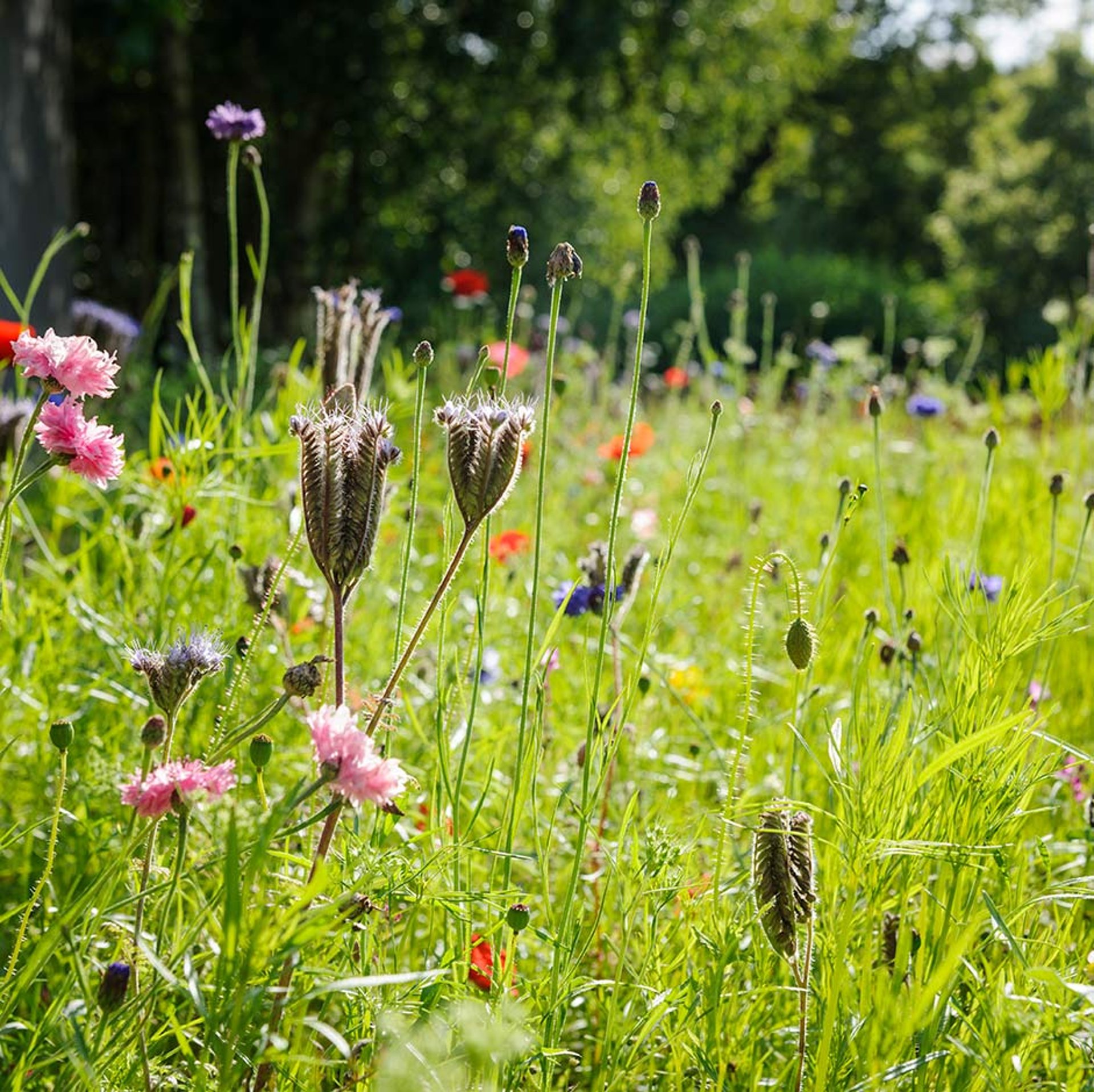
The best gardens give back more than they take.
A Garden That Belongs
When I visit a garden, I rarely find myself wondering whether it follows the latest fashion or whether it contains the newest varieties of plants. Those things have their place, but they are not what stays with me. The gardens I remember are the ones that feel comfortable in their surroundings, as though they have grown naturally from the landscape rather than been imposed upon it. They feel settled, balanced and quietly confident. Above all, they belong.
Belonging is not something that can be bought from a garden centre or copied from a magazine. It comes from understanding the place you are gardening. It comes from accepting the nature of your soil instead of constantly fighting it, from recognising where the sun falls and where the shade lingers, from observing how water moves across the ground after heavy rain and how the wind finds its way through the garden in winter. Every garden has its own character, and I have always believed that the best gardens begin by listening before they start changing.
Perhaps that is where many of us have gone wrong. We have become used to seeing beautiful gardens on television, in glossy magazines and across social media, and it is only natural to want to recreate them. Yet those gardens belong to different landscapes, climates, and soils. A Mediterranean-inspired border that thrives on free-draining ground may struggle in heavy Gloucestershire clay. Equally, a lush woodland planting that flourishes beneath mature trees may never feel at home in a sun-baked coastal garden. Neither approach is right or wrong. They simply belong to different places.
The same is true of the plants we choose. I have little interest in the old arguments that suggest every garden should contain only native plants or, at the other extreme, that anything from anywhere should be planted without thought. Nature is rarely that simple. What matters to me is choosing plants suited to the conditions we have, that support the life around them where they can, and that bring beauty, resilience, and enjoyment to the garden. Gardening has never been about following rigid rules. It has always been about making thoughtful decisions.
Belonging also extends beyond plants. A tree should look as though it has always been destined to grow in that spot. A pond should feel like a natural part of the garden rather than an afterthought. A path should invite you to explore, while a bench should quietly encourage you to stop and notice what is happening around you. Even the smallest garden can possess this sense of belonging when every element feels connected to the whole.
Perhaps most importantly, a garden should belong to the people who use it. It should reflect their lives, their interests, and how they spend time outdoors. A family with young children will use a garden very differently from a retired couple who enjoy watching birds from a shaded seat. Someone passionate about growing vegetables will make different choices from someone whose greatest pleasure comes from sitting amongst scented flowers on a summer evening. There is no single blueprint for a perfect garden, nor a single way to enjoy one.
Yet while every garden is unique, the principles remain remarkably similar. A garden that belongs is one that works with its surroundings rather than against them. It welcomes wildlife without sacrificing beauty. It provides comfort as well as colour, shade as well as sunshine, quiet moments alongside lively ones. It respects the character of its place while gently improving it for the future.
As I have reflected on what Gardening for Tomorrow means, I have come to realise that this is what I hope more than anything else. Not that every garden should look the same, but that every garden should feel right. Right for its soil. Right for its climate. Right for the people who care for it. Right for the wildlife that depends upon it.
When a garden reaches that point, something rather special happens. It no longer feels like a collection of plants, patios and paths. It becomes a living place with its own identity, rhythm, and story. It is somewhere people want to spend time, somewhere wildlife can thrive, and somewhere future generations will hopefully feel as though it has always belonged.
Perhaps that, more than anything else, is the kind of garden we should all be trying to create.
Marcus