
The Garden That Refused to Follow the Rules | Marcus Bergin's Garden Notebook
THE CRAFT OF GARDENING
Marcus Bergin
5/8/20243 min read
The Garden That Refused to Follow the Rules
Every gardener has a garden that refuses to behave as expected. Mine taught me one of the most valuable lessons I've ever learnt.
There was a garden I looked after for several years that never quite made sense. On paper, I understood exactly how it should behave. I knew the aspect, I knew the soil, and, after enough visits, I knew how the light moved across it throughout the day. Experience suggested certain plants would thrive and others would struggle. If you'd handed the details to ten gardeners, I suspect most of us would have made very similar decisions about what ought to grow there.
The garden, however, seemed to have other ideas.
One of the greatest surprises was a lavender growing in soil that really shouldn't have suited it. Gardening books will quite rightly tell you that lavender prefers free-draining conditions and dislikes sitting in heavy, moisture-retentive ground. Yet every summer this particular plant burst into flower as though nobody had ever explained the rules to it. Just a few feet away, a shrub that should have been perfectly content seemed determined to prove me wrong. I fed it, watered it during dry spells and gave it every encouragement I could, but year after year it remained stubbornly unimpressed.
At first, I found it frustrating. I wanted to understand why one plant ignored everything I'd learnt while another seemed intent on defying every expectation. Like most gardeners, I was looking for a logical explanation because that's what experience teaches us to do. We learn about soil types, pH, drainage and light levels for good reason. That knowledge helps us make informed decisions and gives plants the best possible chance of thriving.
But gardens are living places, not controlled experiments.
The longer I worked there, the more I realised that the garden wasn't trying to prove me wrong. It was simply reminding me that nature rarely reads the books we write about it. Every garden has its own subtle differences. A nearby wall reflects a little more warmth than expected. The roots of an old tree alter the soil in ways you can't immediately see. One corner catches the morning sun for just long enough to make all the difference. There are countless little variables quietly influencing what grows and what doesn't, many of which we only discover by spending time observing.
That lesson has stayed with me ever since. Experience is an invaluable teacher, but observation is just as important. Some of the best gardeners I've met aren't necessarily the ones who can recite the most Latin names or remember every pruning technique from memory. They're the ones who pay attention. They notice which border dries out first after rain, where frost lingers on a winter morning or which plants seem happiest despite growing somewhere they were never expected to succeed.
It's one of the reasons I never rush to move a healthy plant simply because the label says it shouldn't be happy. If it's flowering well, producing healthy growth and clearly enjoying where it is, I tend to trust the plant. After all, it's living there every day. It knows far more about its surroundings than I do after a single visit.
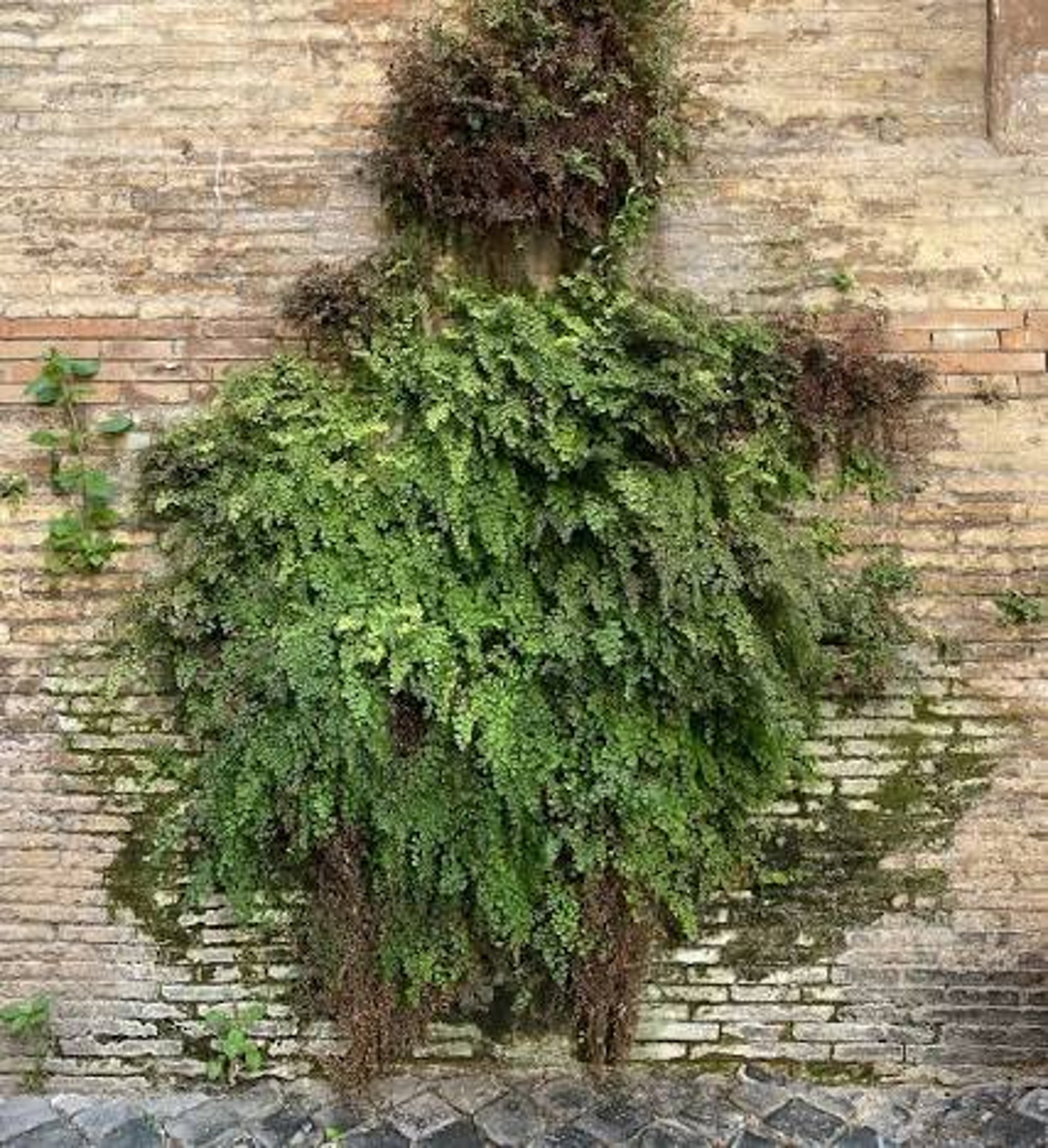
Perhaps that's why gardening continues to fascinate me after more than twenty years. Just when I think I've begun to understand how a particular garden works, it quietly teaches me something new. A self-seeded foxglove appears in exactly the right place, a fern establishes itself in the cracks of an old wall or a rose flowers more generously in partial shade than anyone thought possible. Moments like those remind me that gardening is as much about curiosity as it is about knowledge.
I still read books. I still attend talks. I still enjoy learning from other gardeners because there is always something new to discover. But I've also learnt to listen carefully to the gardens themselves. They have a remarkable way of telling you what works, provided you're patient enough to watch, to notice, and, occasionally, to admit that nature has found a better solution than you had.
Perhaps that's one of the greatest pleasures of gardening. The moment we believe we've learnt everything there is to know is probably the moment the garden decides to surprise us.
And, if I'm honest, I rather hope it always does.
Marcus
Marcus Bergin
Thoughts, observations and conversations from a life spent in gardens.
© 2026. Marcus Bergin | All rights reserved.