
Gardens Don't Ask You to Rush | Marcus Bergin's Garden Notebook
REFLECTIONS FROM THE GARDEN
Marcus Bergin
7/18/20262 min read
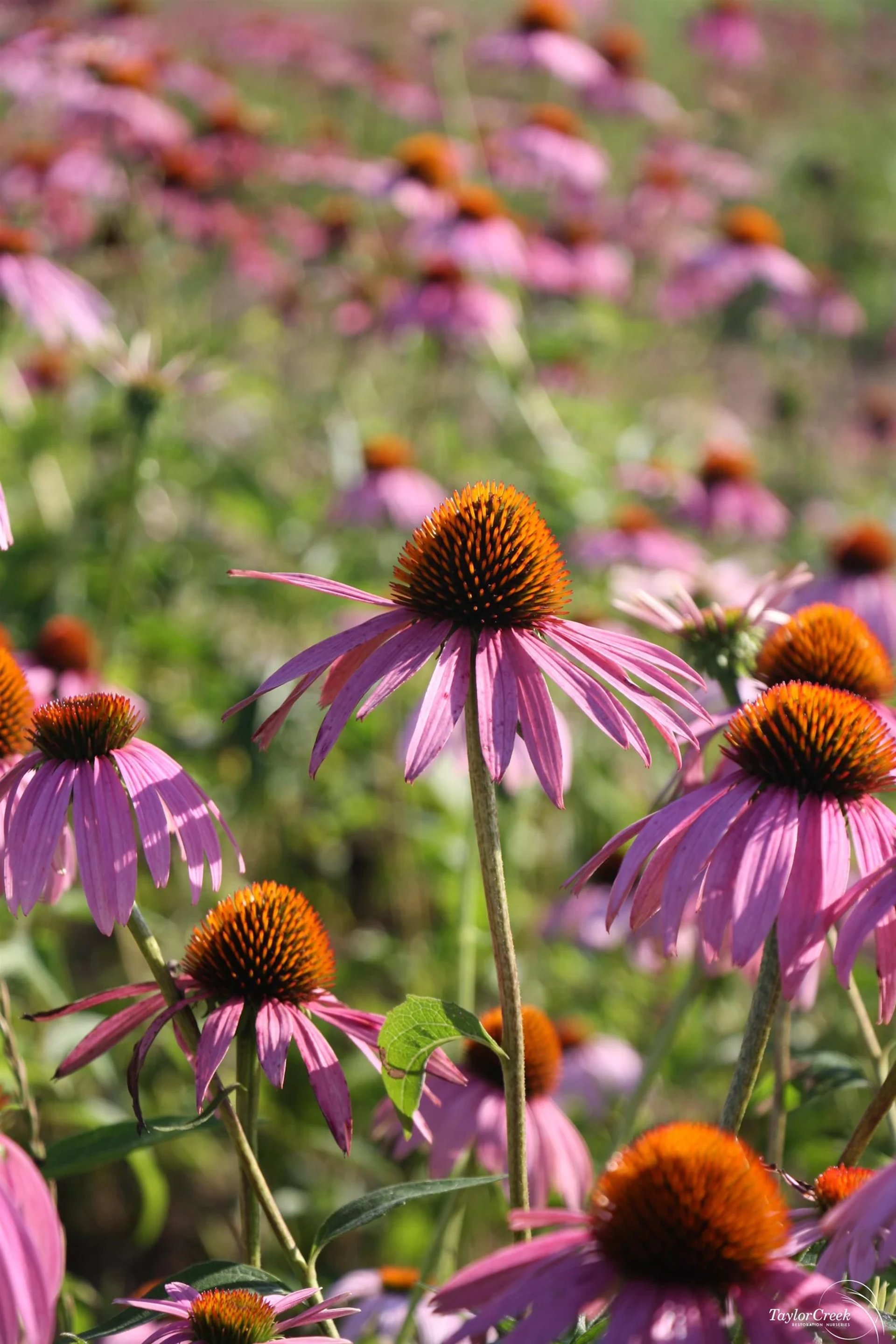
Gardens Don't Ask You to Rush
One of the things I've noticed over the years is that gardens have a very different relationship with time than we do.
Modern life encourages us to move quickly. We measure our days by how much we manage to fit into them. We make lists, tick off jobs and often finish one task only to think about the next before we've even appreciated what we've achieved. It's an easy habit to fall into, and I'm probably just as guilty of it as anyone else.
Then I spend a day in a garden.
It doesn't take long before the pace begins to change. Not because there's less work to do—far from it—but because a garden quietly reminds you that some things simply can't be hurried. You can plant a tree this afternoon, but you can't make it mature by next summer. You can prepare the soil perfectly, but the seeds will still emerge in their own time. You can deadhead the roses today, but you'll have to wait patiently for the next flush of flowers.
Gardens have never been interested in our deadlines.
I think that's one of the reasons I've grown to love working outdoors. The work itself is important, of course, but so is the rhythm that comes with it. You begin to notice things that are easily missed when life becomes too busy. A robin waiting nearby while you weed a border. The scent of a rose that wasn't there last week. The way the light changes as the afternoon slowly slips into evening.
Those aren't interruptions to the day.
They're part of it.
I've often found that the most enjoyable moments happen when I stop trying to rush towards the next job and simply pay attention to the one I'm already doing. Pulling weeds becomes less about removing unwanted plants and more about noticing how the border is changing. Trimming a hedge becomes an opportunity to hear the blackbirds arguing somewhere inside it. Even mowing a lawn gives you time to watch swallows sweeping low across the grass.
Gardens reward attention.
Perhaps that's why they can be so restorative. They ask very little of us beyond patience and presence. They don't expect perfection, only care. In return, they offer something that's becoming increasingly difficult to find—a chance to slow down without feeling that you're wasting time.
It's a lesson I don't always remember.
There are still days when I catch myself hurrying from one task to the next, thinking about tomorrow before I've finished today. Then something—a butterfly landing nearby, the sound of bees in a patch of lavender or the first flower opening on a plant I've been watching for weeks—gently reminds me to look up.
The garden hasn't been rushing.
Why should I?
Perhaps that's one of the quiet gifts gardening gives us. It teaches us that life isn't always measured by how quickly we move, but by how much we notice along the way.
After more than twenty years, I think that's one of the finest lessons any garden has ever taught me.
Marcus
Marcus Bergin
Thoughts, observations and conversations from a life spent in gardens.
© 2026. Marcus Bergin | All rights reserved.