
The Garden at Nine O'Clock | Marcus Bergin's Garden Notebook
Marcus Bergin reflects on why a summer garden is at its most beautiful as the day draws to a close, and why the best gardening sometimes involves doing nothing at all.
THE SEASONS
Marcus Bergin
5/8/20243 min read
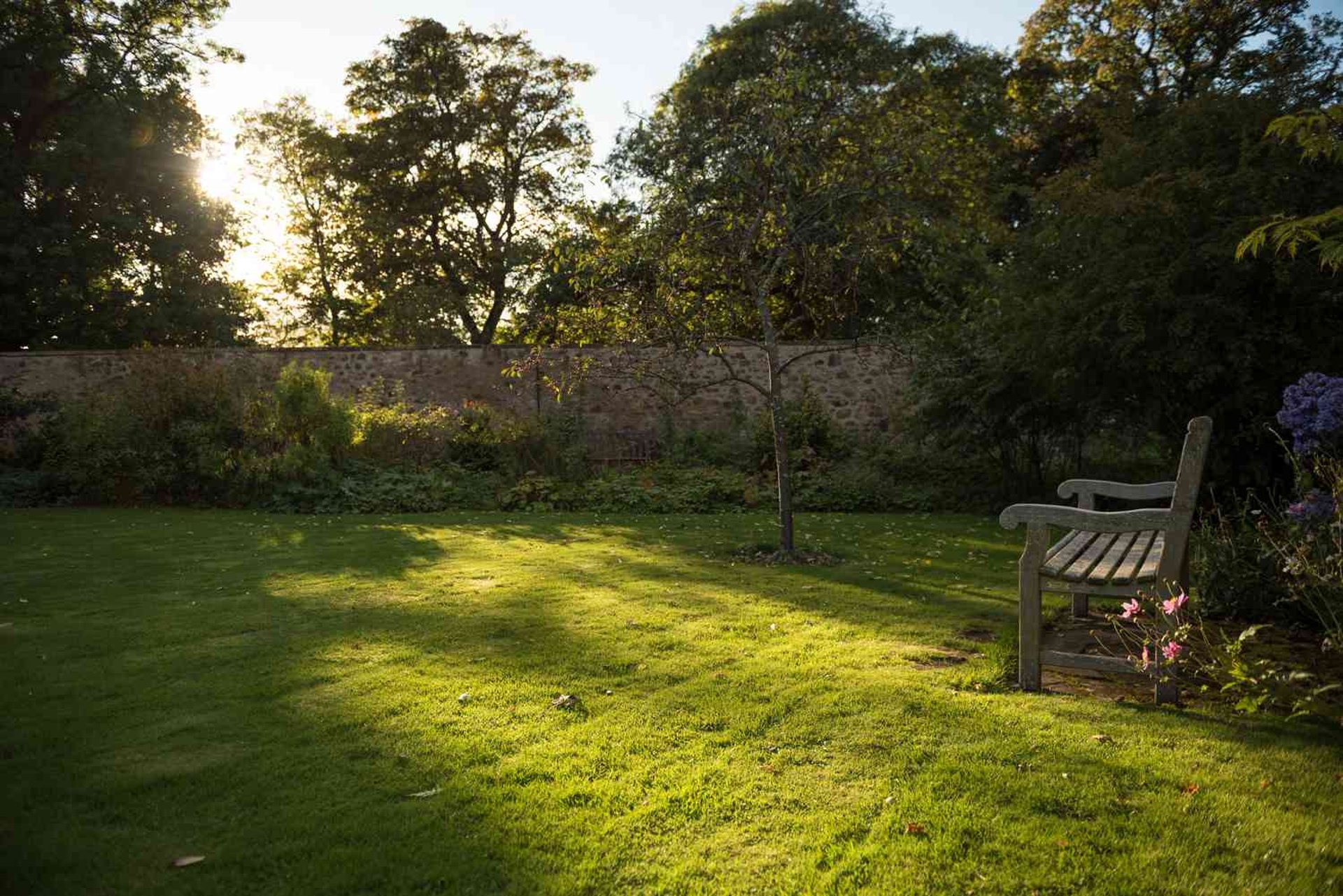
The Garden at Nine O'Clock
There comes a moment on a summer's evening when the garden seems to exhale. The day's work is done, the heat begins to soften, and everything slows down.
One of my favourite times to look at a garden isn't first thing in the morning or even while I'm working. It's around nine o'clock on a warm July evening.
By then, the rush of the day has usually faded. Lawnmowers have been put away, hoses have been coiled up, and the sound of children playing has gradually given way to quieter conversations drifting across neighbouring gardens. The harshness of the afternoon sun has softened into something altogether more forgiving, bathing the borders in a warm light that seems to flatter every plant it touches.
I often think gardens look happier at that time of day.
Perhaps it's because they're no longer trying to cope with the heat. The leaves that had looked a little weary only a few hours earlier began to lift again as the temperature fell. Bees make their final visits to the lavender before disappearing for the night, while butterflies seem content to rest rather than flutter endlessly from flower to flower. Even the birds change their behaviour. The frantic activity of the morning has passed, replaced by a quieter rhythm that feels altogether more relaxed.
It's a time of day that asks very little of us.
There are no urgent jobs that can't wait until tomorrow morning. The weeds will still be there. The hedge won't grow another foot overnight. For once, the garden seems to give us permission to stop trying to improve it and simply enjoy it.
I wonder how often we allow ourselves to do that.
Gardening is, by its nature, a practical pastime. There's always something that could be deadheaded, tied in, watered or pruned. If we're not careful, we can spend so much time working in the garden that we forget to spend time with it. I've been guilty of that myself more than once. After a busy day looking after other people's gardens, it's tempting to glance at my own and immediately notice what still needs doing.
Experience has taught me to resist that temptation.
Some of the happiest moments I've spent in a garden have involved no gardening at all. A mug of tea, a comfortable chair and twenty minutes with nowhere else to be have often done more for me than crossing another job off the list. Those are the evenings when I notice the scent of the roses carrying further as the air cools, or the gentle rustle of leaves overhead that somehow goes unnoticed during the busyness of the day.
The garden becomes a different place in the evening.
It feels less like a project and more like a companion. The plants no longer ask for your attention; they simply share the space with you. It's a subtle difference, but an important one. We spend months tending our gardens, yet perhaps their greatest reward isn't found in perfectly edged lawns or immaculate borders. Perhaps it's found in those quiet summer evenings when, for a little while, we stop trying to make the garden better and instead allow it to make us feel better.
If you find yourself at home one evening this week, I'd encourage you to step outside just before the light begins to fade. Leave your secateurs where they are. Ignore the weeds for another day and don't worry about the lawn. Find somewhere comfortable to sit and simply watch the garden settle into the evening.
You might discover that's the best bit of gardening you'll do all week.
Marcus
Marcus Bergin
Thoughts, observations and conversations from a life spent in gardens.
© 2026. Marcus Bergin | All rights reserved.