When We Stop Measuring a Garden by the Work We Do | Marcus Bergin's Garden Notebook
REFLECTIONS FROM THE GARDEN
Marcus Bergin
7/24/20263 min read
When We Stop Measuring a Garden by the Work We Do
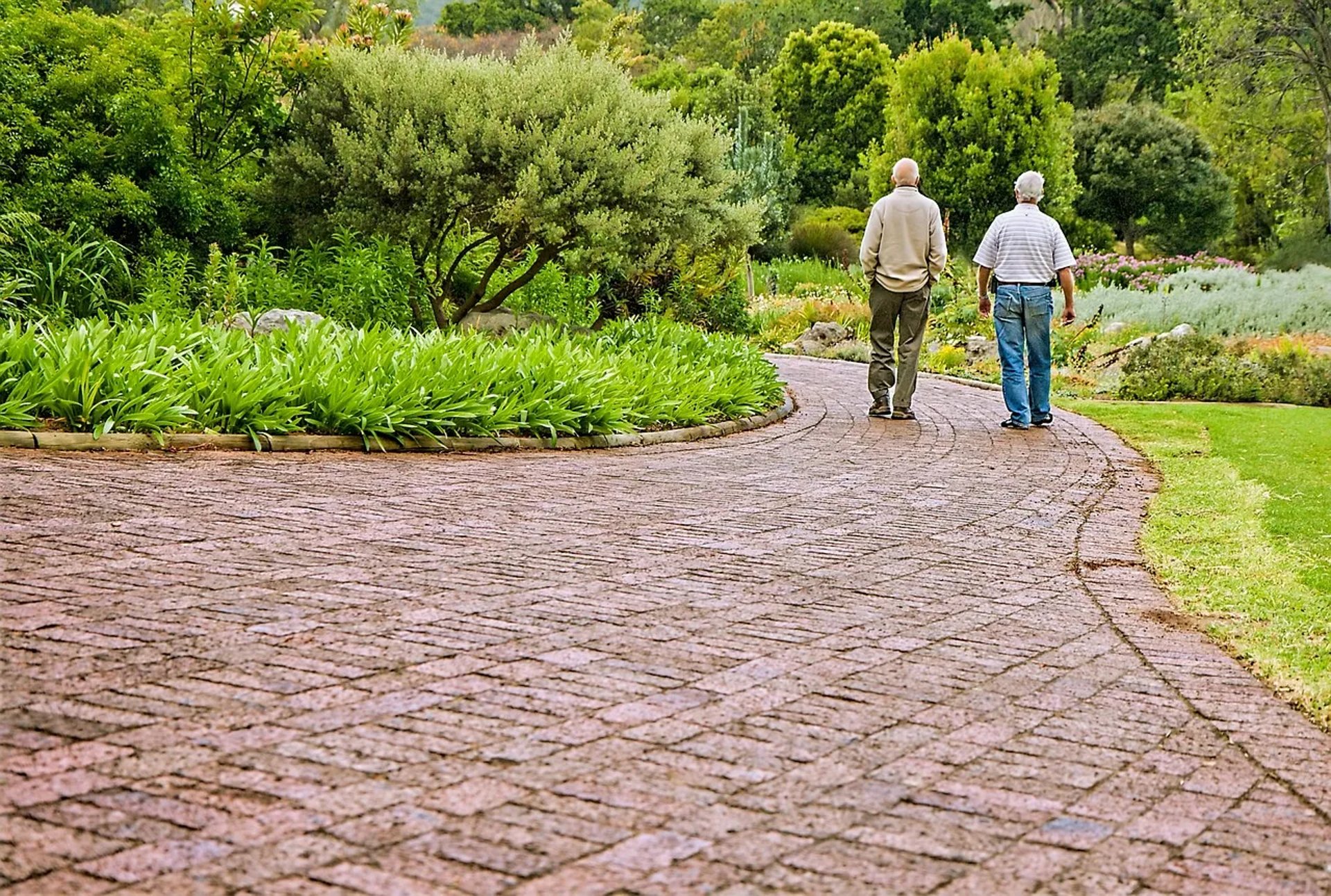
I often wonder if one of the biggest changes we experience as gardeners isn't in the garden at all. It's in the way we see ourselves within it.
For much of our lives, gardening is something we do with our hands. We dig, plant, prune, lift, weed and mow without giving it much thought. The satisfaction comes from the work itself. At the end of the day, we stand back, look across the garden and know we've made a difference.
It's a wonderful feeling.
Perhaps that's why it can be so unsettling when, little by little, our bodies begin to ask us to work differently.
It rarely happens all at once. More often, it arrives so quietly that we barely notice. A border that once took an hour now takes an afternoon. A watering can feels heavier than it used to. Kneeling down is easy enough, but standing up again requires a moment's thought. We tell ourselves we're just having an off day.
Then another follows.
And another.
One day you realise the garden hasn't changed very much.
You have.
I don't think we talk about that enough.
Gardening magazines are full of advice about growing healthier plants, creating beautiful borders and choosing the perfect rose. All of those things matter. Yet very little is written about the moment when a gardener begins adapting the way they garden, not because they've lost interest, but because life has quietly asked them to do things differently.
For some people, adapting can feel uncomfortably close to giving up.
I wonder if that's because we've spent years measuring ourselves by what we can achieve. We look at a freshly cut hedge, a perfectly weeded border or a lawn striped in neat lines and feel a sense of pride. The work becomes part of our identity. So when we can no longer do quite as much, it's easy to believe we've somehow become less of a gardener.
I don't think that's true.
Some of the wisest gardeners I've known have done less physical work than they once did, but they've noticed more. They know when the swallows arrive without looking at the calendar. They can tell by the smell of the soil that rain has been falling. They understand where the afternoon shade reaches in July and which corner of the garden always catches the first frost. Their knowledge hasn't diminished as their strength has changed. If anything, it has deepened.
Perhaps that's the journey every gardener makes if they're fortunate enough.
When we're young, we shape the garden.
As we grow older, the garden begins to shape us.
It teaches patience, acceptance and the quiet understanding that nothing in nature remains exactly the same. Trees mature, borders evolve and seasons turn, whether we're ready or not. We accept those changes in the garden because we know they're natural.
Maybe we should be a little kinder to ourselves when the same thing happens in our own lives.
A garden doesn't stop being beautiful because one border becomes wilder than it once was. A gardener doesn't stop being a gardener because they ask for help trimming a hedge or choose plants that demand a little less effort. Those aren't signs of failure.
They're signs of continuing the journey.
The relationship has changed.
But the love hasn't.
Perhaps that's what growing older in the garden really teaches us.
That the value of a gardener has never been measured by how much they can do in a day.
It's measured by how deeply they've learned to see the life growing around them.
Marcus
Marcus Bergin
Thoughts, observations and conversations from a life spent in gardens.
© 2026. Marcus Bergin | All rights reserved.