
The Garden Is Beginning to Slow Down | Marcus Bergin's Garden Notebook
THE SEASONS
Marcus Bergin
7/20/20262 min read
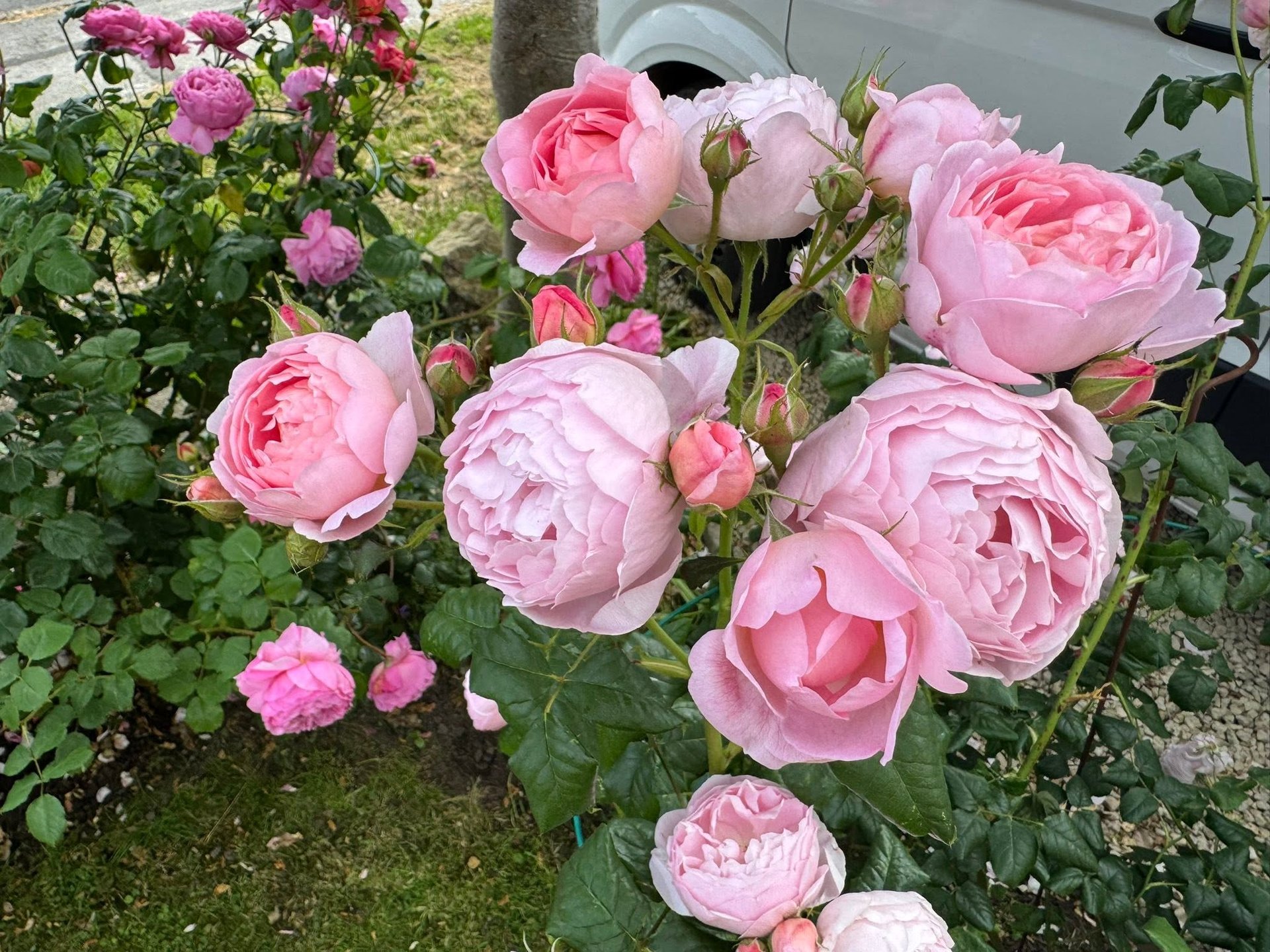
The Garden Is Beginning to Slow Down
It's still only July, yet as I walked around a garden this week, I found myself thinking that summer had quietly changed gear.
For weeks, everything seemed to be racing ahead. Roses were producing flower after flower, borders were growing almost faster than they could be managed, and lawns, despite the dry weather, still carried some of the energy of spring. Every visit to a garden revealed something new. It was one of those periods where you almost felt you could stand and watch the plants growing.
Now the pace feels different.
It isn't that the gardens are becoming less beautiful. Far from it. They're simply beginning to settle. Some of the early stars of the season are taking a well-earned rest, while others are only just beginning to emerge. It's one of those subtle moments that can easily pass unnoticed unless you're fortunate enough to spend a great deal of time outdoors.
Perhaps that's why I enjoy working in gardens throughout the year.
You begin to notice that every season has smaller seasons within it. We often talk about spring, summer, autumn and winter as though each arrives all at once, but gardens don't really work like that. Summer isn't a single moment. It unfolds in chapters. Early summer has its own character, full of fresh growth and anticipation. High summer feels richer and fuller, yet quieter somehow, as though the garden is taking a deep breath before beginning its slow journey towards autumn.
This week reminded me of that.
Some of the roses are resting between their flushes. A few perennials that dominated the borders in June are beginning to fade into the background. The lawns have stopped growing with quite the same enthusiasm, and even the weeds seem a little less determined than they were a few weeks ago. None of it feels dramatic. In fact, if you weren't looking carefully, you might not notice the change at all.
At exactly the same time, another group of plants is preparing to take centre stage.
Hydrangeas seem to thrive at this point in the season, their large flowerheads bringing colour just as other plants begin to slow. Japanese anemones are quietly building towards their moment, while sedums and ornamental grasses promise that the garden still has plenty left to give before summer is over. It's almost like watching a relay race. One group of plants hands the baton to the next, ensuring that the story of the garden continues without ever feeling repetitive.
I think that's one of the reasons gardens continue to fascinate me after so many years.
They're constantly changing, but rarely in ways that demand our attention. Most of the time the changes are gentle. A border feels different before you can explain why. The quality of the light shifts. Seed heads begin to appear where there were flowers only days before. You don't notice one particular moment of change. You simply wake up one morning and realise the garden has entered a new chapter.
Perhaps that's where the real pleasure lies.
Gardening teaches us to notice transitions rather than events. It reminds us that change isn't always dramatic. More often, it happens quietly, one day at a time, until suddenly the season feels different from the one we thought we were still in.
Standing in the garden this week, I found myself thinking that perhaps this is one of the loveliest parts of July.
Not because everything is reaching its peak.
But because the garden is gently reminding us that there is still so much more of the season to come.
Marcus
Marcus Bergin
Thoughts, observations and conversations from a life spent in gardens.
© 2026. Marcus Bergin | All rights reserved.