Seeing Your Own Garden Differently | Marcus Bergin's Garden Notebook
REFLECTIONS FROM THE GARDEN
Marcus Bergin
7/26/20264 min read
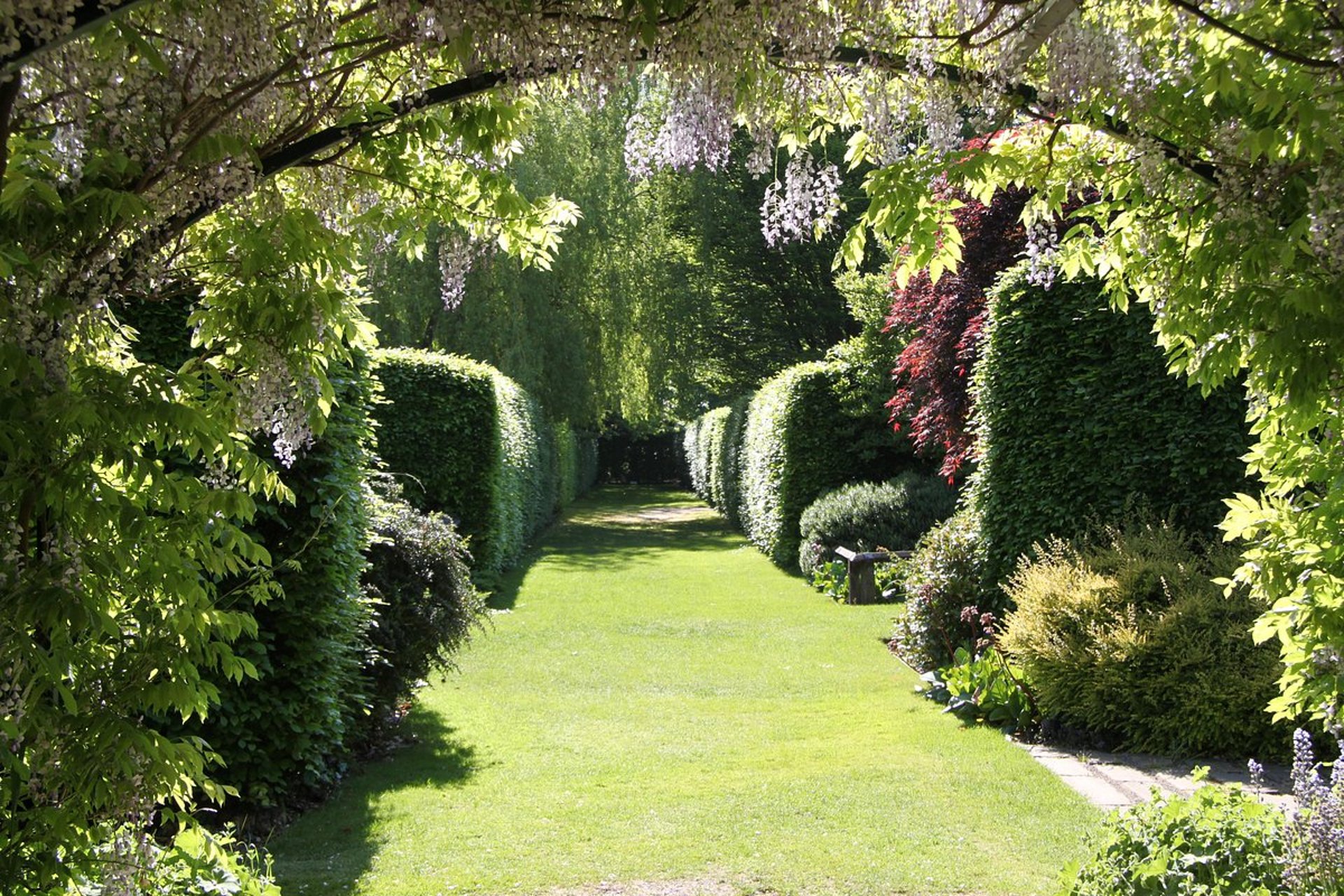
Seeing Your Own Garden Differently
Over the years, I've visited hundreds of gardens, and one thing has happened so often that I've almost come to expect it.
The gate opens, I say hello, and before we've even started walking, the owner apologises.
"Please ignore the weeds."
"I haven't had a chance to cut the hedge."
"The lawn usually looks much greener than this."
"You should have seen it a few weeks ago."
It's almost as though they feel the need to explain the garden before I've had the chance to see it for myself.
I always smile, because while they're pointing towards the weeds by the shed or the border they never quite got round to weeding, I'm usually looking somewhere completely different. I'm noticing the mature apple tree that must have been planted decades ago, or the scent of the roses drifting across the path. I hear the blackbird calling from the hedge before I notice the flowerbeds, and I'm admiring the way the evening light catches the tops of the grasses. By the time they've finished apologising, I've normally found half a dozen things that I already love about the garden.
That contrast has fascinated me for years.
It doesn't seem to matter whether the garden is large or small, formal or informal, newly planted or decades old. I've heard exactly the same conversation in tiny cottage gardens, modern housing estates and large country gardens. Different people use different words, but the feeling behind them is remarkably similar. Gardeners are often convinced that visitors will see the faults first.
The longer I've worked in gardens, the more I've realised that's probably because we're carrying around a different version of our own garden. We don't just see what's in front of us today. We remember what it looked like last year, five years ago or even twenty years ago. We remember the delphiniums before the slugs found them, the rose before it lost a branch in a winter gale and the lawn before the heatwave left it brown for weeks. Every season leaves a memory behind, and all of those memories shape the way we see the garden now.
A visitor doesn't have any of that history.
They arrive with fresh eyes.
They don't know there used to be another border in that corner or that the clematis flowered more heavily last summer. They aren't comparing today's display with the one they never saw. They experience the garden exactly as it is on that particular afternoon, and because of that, they often notice things we've stopped seeing ourselves.
I've lost count of the number of times someone has apologised for a border while I've been admiring the tree growing behind it. They'll tell me they're disappointed with the lawn, yet I can't take my eyes off the wonderful combination of lavender and salvias buzzing with bees. They'll mention the weeds, while I'm noticing how peaceful the whole garden feels.
That's when it struck me that familiarity changes our eyesight.
Not literally, of course, but in the way we look at places we know well. We become so accustomed to our own surroundings that our attention naturally drifts towards the things we'd like to improve. We stop noticing the features that first made us fall in love with the garden because they've become part of everyday life.
I don't think that's unique to gardening.
It's something we all do.
Walk into your own home and you'll probably notice the picture that still needs straightening or the scuff mark on the wall. Walk into someone else's home and you'll notice how welcoming it feels, how much light comes through the windows or how comfortable the room is. The owner sees the jobs. The visitor sees the atmosphere.
Gardens are no different.
The strange thing is that gardening almost encourages this way of thinking. A garden is never finished. There's always another plant we'd like to try, another border we'd like to improve or another project waiting for the autumn or the spring. That's part of what makes gardening so enjoyable. The next season is always full of possibilities.
The danger comes when we become so focused on tomorrow's plans that we stop appreciating today's garden.
I've been guilty of it myself.
There have been times when I've walked around a garden thinking about the pruning that needs doing or the border that could be redesigned, only to realise later that I'd barely stopped to enjoy the roses that were flowering beautifully or the butterflies dancing through the border. I was looking at the work instead of the place.
Working in so many different gardens has taught me that perfection isn't what makes a garden memorable.
I've visited gardens with immaculate lawns and perfectly clipped hedges that I've forgotten within days. I've also visited gardens where the lawn was patchy, the borders wandered a little and there were weeds in places they probably shouldn't have been. Those are often the gardens I remember most because they felt lived in. They reflected the people who cared for them. They had stories tucked into every corner.
Character has a way of outlasting perfection.
Maybe that's why I never worry when someone apologises for their garden.
I know that by the time I leave, I'll remember the old pear tree, the scent of the sweet peas, the robin that followed us around as we talked, or the bench beneath the apple tree where they like to sit with a cup of tea at the end of the day.
I probably won't remember the weeds at all.
Sometimes I think we all need to borrow a stranger's eyes for an afternoon.
Not because they'll ignore the jobs that still need doing, but because they'll remind us of something we've quietly forgotten.
Before our gardens became projects...
...they were places that made us smile.
Marcus
Marcus Bergin
Thoughts, observations and conversations from a life spent in gardens.
© 2026. Marcus Bergin | All rights reserved.